
Seizures Symptoms Assessment & Support in Calgary
We provide neurology-informed assessment and supportive care for patients navigating complex neurological symptoms, including seizure-related concerns.
Not sure how we can help? Book a 30-min Case Review Consultation today!
**We do not to replace emergency or specialist medical care
What Are Seizures?
A seizure is a sudden burst of abnormal electrical activity in the brain that can affect movement, awareness, sensation, behavior, or consciousness. Seizures can look very different from person to person. Some are dramatic and easy to recognize, while others are subtle and may be mistaken for dizziness, zoning out, fainting, panic, or unusual sensory experiences. Some seizures last only a few seconds, while others can last several minutes. A single seizure does not always mean a person has epilepsy, but any new or unexplained seizure-like event should be medically evaluated. At our Calgary clinic, we focus on helping patients understand the neurological patterns, balance changes, sensory issues, autonomic symptoms, and functional challenges that may exist alongside seizure-related conditions.
Common Symptoms of Seizures

Seizures can present in many different ways depending on which area of the brain is involved. Symptoms may include sudden loss of awareness, staring spells or “blanking out,” jerking or shaking movements, muscle stiffness, sudden collapse, confusion after an episode, temporary speech difficulty, unusual sensations such as tingling, déjà vu, or visual changes, sudden fear, nausea, or rising sensations in the body, loss of bladder control in some cases, and extreme fatigue or brain fog after an episode. Some people may also experience what is sometimes called an aura before a seizure, which can include strange smells or tastes, visual disturbances, dizziness, nausea, sudden anxiety or fear, or a wave-like sensation in the body. Because seizure symptoms can overlap with other neurological and vestibular conditions, a thorough assessment is often important.
What Causes Seizures?
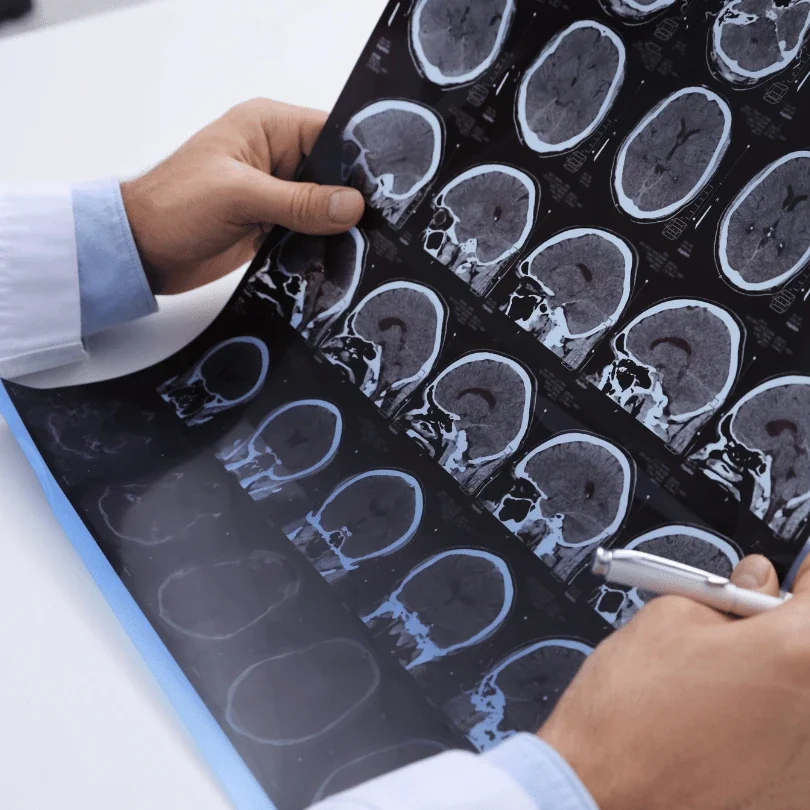
Seizures can happen for many different reasons. In some cases, the cause is clearly identified, while in others, it may remain unclear and require ongoing medical investigation. Possible causes or contributing factors may include epilepsy, prior concussion or traumatic brain injury, neurological conditions affecting brain function, fever, which is more common in children, infections involving the brain or nervous system, sleep deprivation, severe stress or nervous system overload, blood sugar instability, alcohol or drug withdrawal, medication reactions, structural brain changes, and metabolic or systemic health issues. Not every seizure-like event is epilepsy, and some symptoms may overlap with syncope, vestibular disorders, migraine-related neurological symptoms, dysautonomia, functional neurological symptoms, or post-concussion nervous system dysregulation. That is why the right assessment pathway matters.
Can Chiropractic or Functional Neurology Cure Seizures?
No responsible clinic should promise to cure seizures or replace proper medical care for epilepsy or seizure disorders. What we can do is provide a thoughtful assessment and supportive care approach that considers nervous system function, movement patterns, vestibular involvement, autonomic symptoms, post-concussion history, and functional challenges that may be affecting quality of life. For some patients, this can be a valuable part of their broader care journey, while for others, the most important next step may be specialist medical investigation.

Types of Seizures We Commonly See
There are different seizure categories, and symptoms can vary significantly depending on how the brain is affected.
Focal Seizures
These begin in one area of the brain and may cause unusual sensations, emotional shifts, jerking in one part of the body, altered awareness and repetitive movements.
Myoclonic Seizures
These may present as brief shock-like jerks and sudden twitching of the arms, legs, or body
Absence Seizures
Often brief and subtle, these can look like staring into space, not responding for a few seconds and brief interruption in activity
Atonic or Drop Attacks
These may involve, sudden loss of muscle tone, head dropping and falling unexpectedly.
Generalized Seizures
These involve both sides of the brain and may include convulsions, sudden stiffening, rhythmic shaking, loss of consciousness and brief staring episodes
How We Assess Seizure Symptoms
Our approach to seizure-related concerns begins with a detailed health history and symptom review. Seizures can happen for many different reasons, and in some cases, they may require urgent medical attention or specialist investigation. During the assessment, we take time to understand what the episodes look like, when they began, how often they occur, how long they last, whether there are warning signs beforehand, and what symptoms are present afterward, such as fatigue, confusion, headache, dizziness, weakness, or changes in awareness.

Seizure-Related Care Approach
When appropriate, our care approach focuses on supportive assessment and rehabilitation strategies that consider the broader function of the nervous system. Depending on your findings, care may include balance and proprioceptive retraining, eye-head coordination exercises, vestibular rehabilitation, movement-based neurological exercises, autonomic regulation strategies, visual system support, and cervical spine therapy when neck involvement is present. For some patients, this may be a helpful part of their broader care journey. For others, the most important next step may be medical investigation before any supportive care is considered.

When Should You Seek Help for Seizure-Related Concerns?
You should seek medical attention promptly if you experience a first-time seizure, loss of consciousness, repeated episodes, injury during an episode, prolonged confusion afterward, seizure activity lasting several minutes, or any sudden change in awareness, speech, movement, vision, or coordination. These symptoms should not be ignored or managed without proper medical guidance. You may also benefit from a supportive neurological assessment if you have already been medically evaluated and continue to experience dizziness, imbalance, visual motion sensitivity, post-concussion symptoms, autonomic symptoms, movement challenges, fatigue, or functional limitations that affect daily life. Early and appropriate evaluation can help clarify whether supportive care may be useful, while ensuring that medical red flags and specialist referrals are prioritized when needed.

Frequently Asked Questions About Seizures
-
Yes. Some episodes that look like seizures may actually relate to fainting, autonomic dysfunction, vestibular issues, migraine, or other neurological concerns. That is why proper evaluation matters.
-
If it is your first seizure, if it lasts more than 5 minutes, if you are injured, or if you do not recover normally afterward, you should seek emergency care immediately.
-
Not necessarily. Some people book because they are trying to better understand unexplained neurological symptoms or ongoing functional issues.
-
Yes, in some cases seizure-like symptoms or neurological episodes can occur after head injury and should be properly assessed.
-
We do not replace neurologists, emergency care, or medical management for epilepsy. Our role is supportive and focused on neurological function, assessment, and rehabilitation where appropriate.
-
That uncertainty is actually common. Some patients come in because they have episodes involving dizziness, visual changes, altered awareness, or unusual neurological symptoms and want help understanding the bigger picture.
Other Seizure-Related Conditions
Some seizure-related symptoms can overlap with other neurological or nervous system conditions.
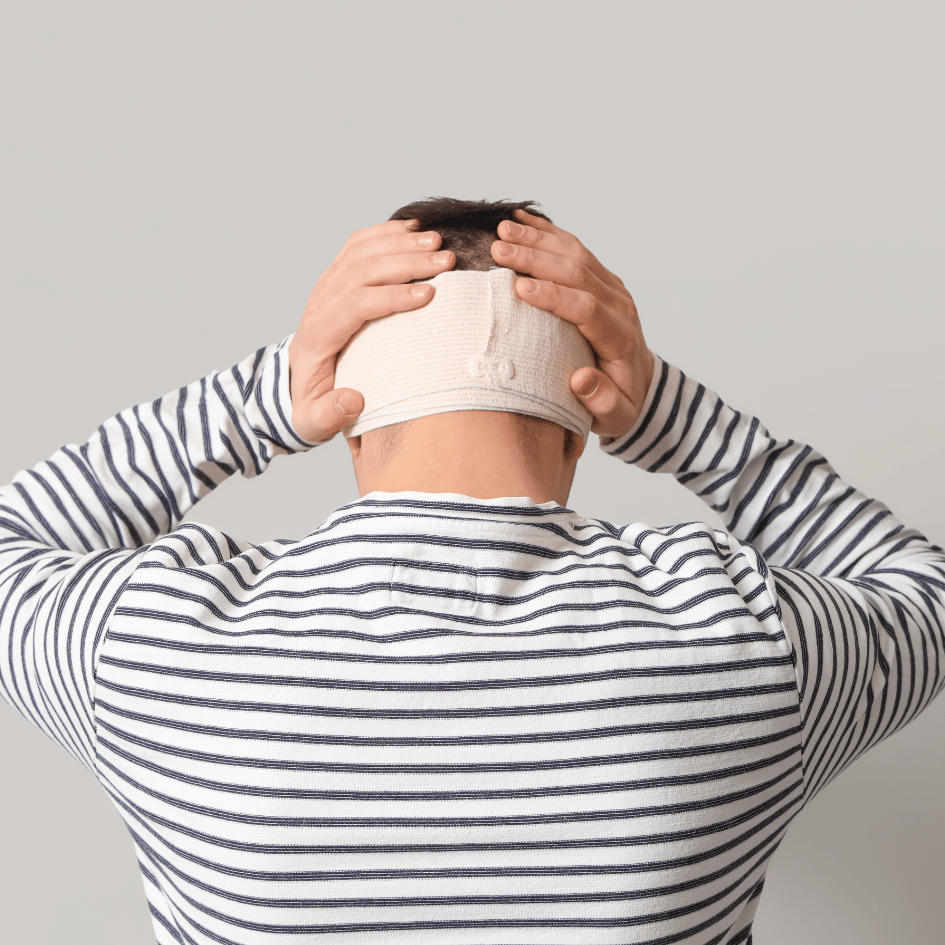

Vertigo & Dizziness




Get A Supportive Neurologically-Informed assessment for Seizures
If you are looking for a neurologically-informed seizure assessment in Calgary or want support for seizure-related neurological symptoms, our clinic offers a thoughtful, non-invasive, function-focused assessment approach.
We aim to help patients better understand how their nervous system is functioning and whether supportive care may play a role alongside appropriate medical care.
Book a 30-minute Virtual or Phone Case Review consultation, we’ll listen to your symptoms, answer your questions, and help you determine the most appropriate next steps for care.