
Dysautonomia Assessment in Calgary
We assess how the nervous system is regulating the body to help guide individualized, non-invasive care.
Unsure about your symptoms? Book a 30-min Case Review Consultation today!
What Is Dysautonomia?
Dysautonomia is a term used to describe dysfunction of the autonomic nervous system (ANS)—the part of the nervous system responsible for regulating involuntary processes such as heart rate, blood pressure, breathing, digestion, and temperature control. When the autonomic nervous system is not functioning properly, the body may have difficulty maintaining stability (homeostasis), especially during changes in posture, stress, or activity. Dysautonomia can present in different forms and may occur on its own or alongside other conditions such as concussion, post-viral illness, or chronic stress.
Common Dysautonomia Symptoms

Dysautonomia can develop from a variety of underlying factors. Common contributors may include post-viral conditions such as Long COVID, concussion or traumatic brain injury, chronic stress or nervous system overload, autoimmune-related processes, deconditioning or prolonged inactivity, and underlying neurological dysfunction. In many cases, dysautonomia is multifactorial, meaning more than one system may be involved.
Common Causes of Dysautonomia

Symptoms can vary widely and often affect multiple systems in the body. Common symptoms may include lightheadedness or dizziness, especially when standing, rapid heart rate or palpitations, fatigue, low energy, brain fog, difficulty concentrating, shortness of breath, heat intolerance, temperature sensitivity, headaches, exercise intolerance, digestive issues such as bloating, nausea, constipation, or diarrhea, and feeling faint or near fainting. Symptoms may fluctuate and are often triggered by posture changes, stress, or exertion.
What to Expect with Dysautonomia
Recovery and management vary depending on the individual and underlying causes. Some individuals experience gradual improvement with guided care. Others may require longer-term management strategies. Progress is often non-linear and may fluctuate. A structured approach focused on nervous system regulation can help improve tolerance to daily activities over time.


Types of Dysautonomia We Commonly See
Dysautonomia includes a range of conditions that affect how the body regulates itself. Common presentations include:
Post-viral autonomic dysfunction
Autonomic symptoms that develop after viral illness.
POTS
A condition where heart rate increases significantly when moving from lying down to standing.
Orthostatic intolerance or orthostatic hypotension
Symptoms such as dizziness or faintness when standing due to difficulty regulating blood pressure.
Migraine-associated autonomic symptoms
Some individuals with migraines experience dizziness, heart rate changes, or autonomic-type symptoms.
Post-concussion dysautonomia
Changes in autonomic regulation that can occur after head injury.
These conditions often overlap with symptoms such as dizziness, vertigo, migraines, or balance issues, which may also be assessed during your evaluation.
How We Assess Dysautonomia
Because dysautonomia can involve multiple body systems, assessment typically involves looking at how the nervous system regulates different functions. At Anew Chiropractic Clinic, evaluation may include a detailed review of symptoms and health history, screening of vital signs and postural responses when appropriate, neurological examination focused on balance, eye movements, and coordination, vestibular and autonomic-related screening when indicated, and discussion of previous testing or medical evaluations. If symptoms suggest a condition that requires further medical investigation, we may recommend collaborative care with a family physician, cardiologist, or other healthcare provider.
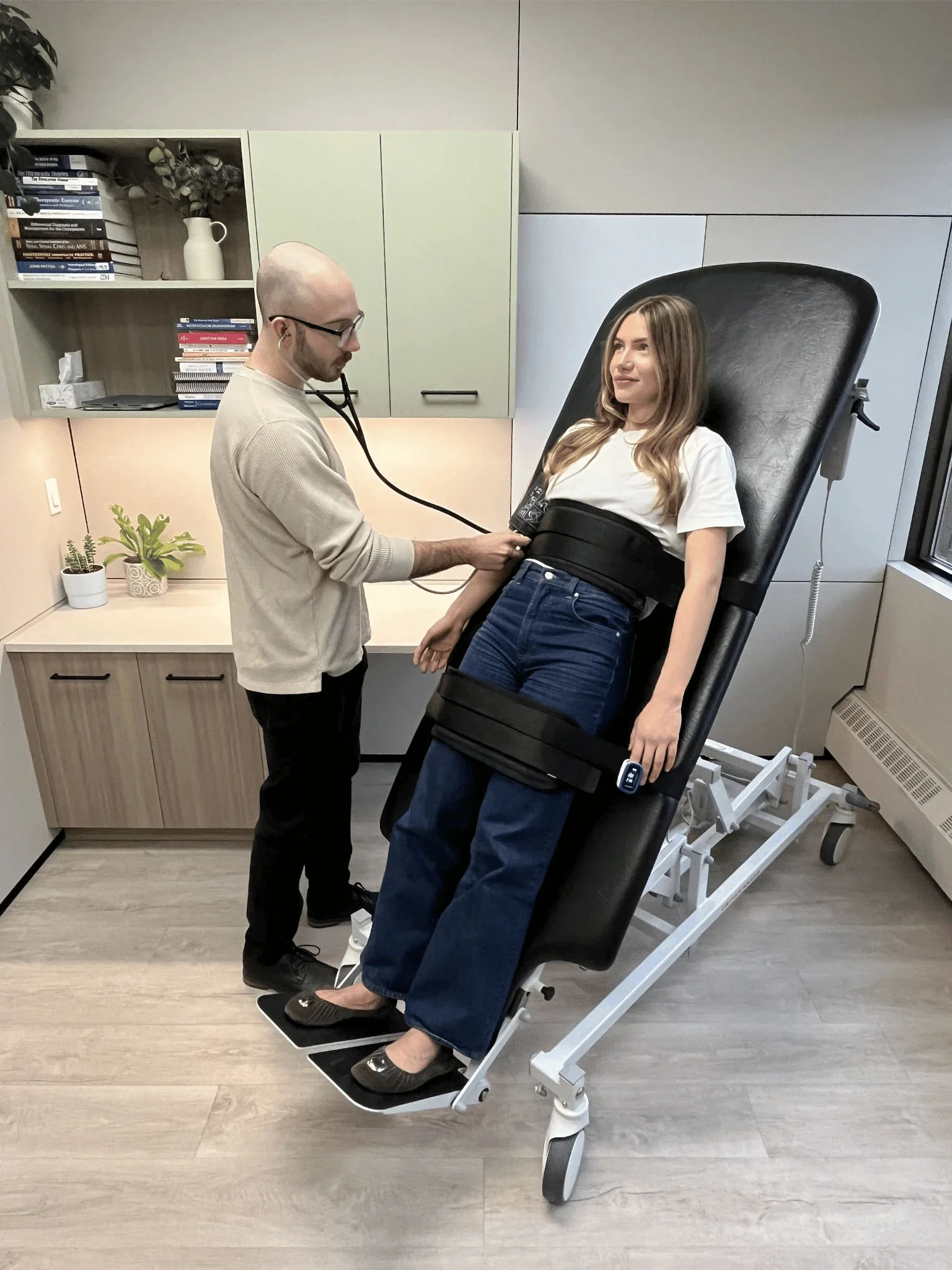
Dysautonomia Care Approach
Care is individualized and based on your presentation. Depending on your findings, our approach may include gradual activity and movement progression, breathing and nervous system regulation strategies, vestibular and balance exercises, neurological stimulation exercises, lifestyle and habit guidance related to hydration, pacing, and recovery, and coordination and tolerance-building exercises. The goal is to support the nervous system’s ability to regulate and adapt more effectively over time.

When Should You Seek Help for Dysautonomia?
You may benefit from an assessment if you experience persistent dizziness or lightheadedness, a rapid heart rate when standing, unexplained fatigue or brain fog, difficulty tolerating exercise, symptoms following illness, including COVID-19, or symptoms after a concussion or injury. Early evaluation can help identify patterns and guide appropriate care.
Related Conditions
Dysautonomia often overlaps with other neurological and vestibular conditions. You may also want to explore:



Dysautonomia Frequently Asked Questions
-
Dysautonomia refers to conditions affecting the autonomic nervous system, which regulates automatic functions such as heart rate, blood pressure, digestion, and temperature control.
-
Common symptoms include dizziness, rapid heart rate, fatigue, brain fog, exercise intolerance, and digestive symptoms.
-
Yes. Postural Orthostatic Tachycardia Syndrome (POTS) is one of the most recognized forms of dysautonomia and involves excessive heart rate increases when standing.
-
Yes. Dysregulation of the autonomic nervous system can affect blood flow regulation and nervous system signaling, which may contribute to symptoms like dizziness or cognitive difficulty.
-
Urgent medical evaluation is recommended if symptoms include chest pain, fainting, severe shortness of breath, or sudden neurological symptoms.
-
Management often involves multiple providers, which may include family physicians, cardiologists, neurologists, and other healthcare professionals depending on the underlying cause.
-
The course varies depending on the underlying condition. Some individuals improve over time with appropriate care and lifestyle adjustments, while others may experience longer-term symptoms.

Get Assessed for Dysautonomia
If you are experiencing symptoms of dysautonomia, understanding how your nervous system is functioning is the first step toward improving your symptoms.
At Anew Chiropractic Clinic, we take a comprehensive approach to assessing and supporting nervous system regulation.
Book a 30-minute Virtual Case Review consultation, we’ll listen to your symptoms, answer your questions, and help you determine the most appropriate next steps for care.