
Mal de Débarquement Syndrome Assessment in Calgary
If you feel like you are still moving long after a boat ride, flight, or road trip has ended, you may be experiencing Mal de Débarquement Syndrome. At Anew Clinic, we assess how your brain and vestibular system are processing motion and provide targeted care designed to help your nervous system recalibrate.
Unsure about your symptoms? Book a Case Review Phone Consultation today!
What is Mal de Débarquement Syndrome?
Mal de Débarquement Syndrome (MdDS)is a neurological condition in which the brain continues to perceive motion even after movement has stopped. It is most commonly triggered after exposure to passive motion such as a cruise, long flight, or extended travel, although it can also develop without a clear trigger. Unlike typical vertigo conditions where symptoms worsen with movement, many individuals with this syndrome report temporary relief when they are back in motion, such as driving. This paradox reflects a disruption in how the brain adapts to and recalibrates motion signals from the vestibular system.
Symptoms of MdDS

Patients typically describe a constant sensation of rocking, swaying, or bobbing, as if they are still on a boat. This sensation is often persistent and can last for weeks, months, or even years if not properly addressed. In addition to the primary motion sensation, many individuals experience brain fog, difficulty concentrating, visual sensitivity, fatigue, and heightened anxiety. These symptoms are not simply physical; they reflect a broader disruption in how the brain integrates sensory input from the inner ear, eyes, and body.
What Causes This Condition?

The exact cause is not fully understood, but current evidence suggests that Mal de Débarquement Syndrome involves maladaptation within the brain’s motion-processing centers. During prolonged exposure to motion, the brain adjusts to maintain balance and orientation. In this condition, that adaptation does not properly reverse once the motion stops. This leads to persistent signaling within the vestibular system, even in the absence of movement. Research in Functional Neurology and vestibular science suggests that abnormal neural oscillations and sensory integration patterns may play a key role.
How is it Different from Vertigo?
While both conditions fall under the category of dizziness disorders, Mal de Débarquement Syndrome presents differently from conditions such as Benign Paroxysmal Positional Vertigo. Vertigo typically involves spinning sensations triggered by head movements, whereas Mal de Débarquement Syndrome produces a continuous rocking or swaying sensation that is often not position-dependent. Another distinguishing feature is that symptoms may improve with passive motion, which is not typical in other vestibular disorders.
Learn more about vertigo
How We Assess MdDS
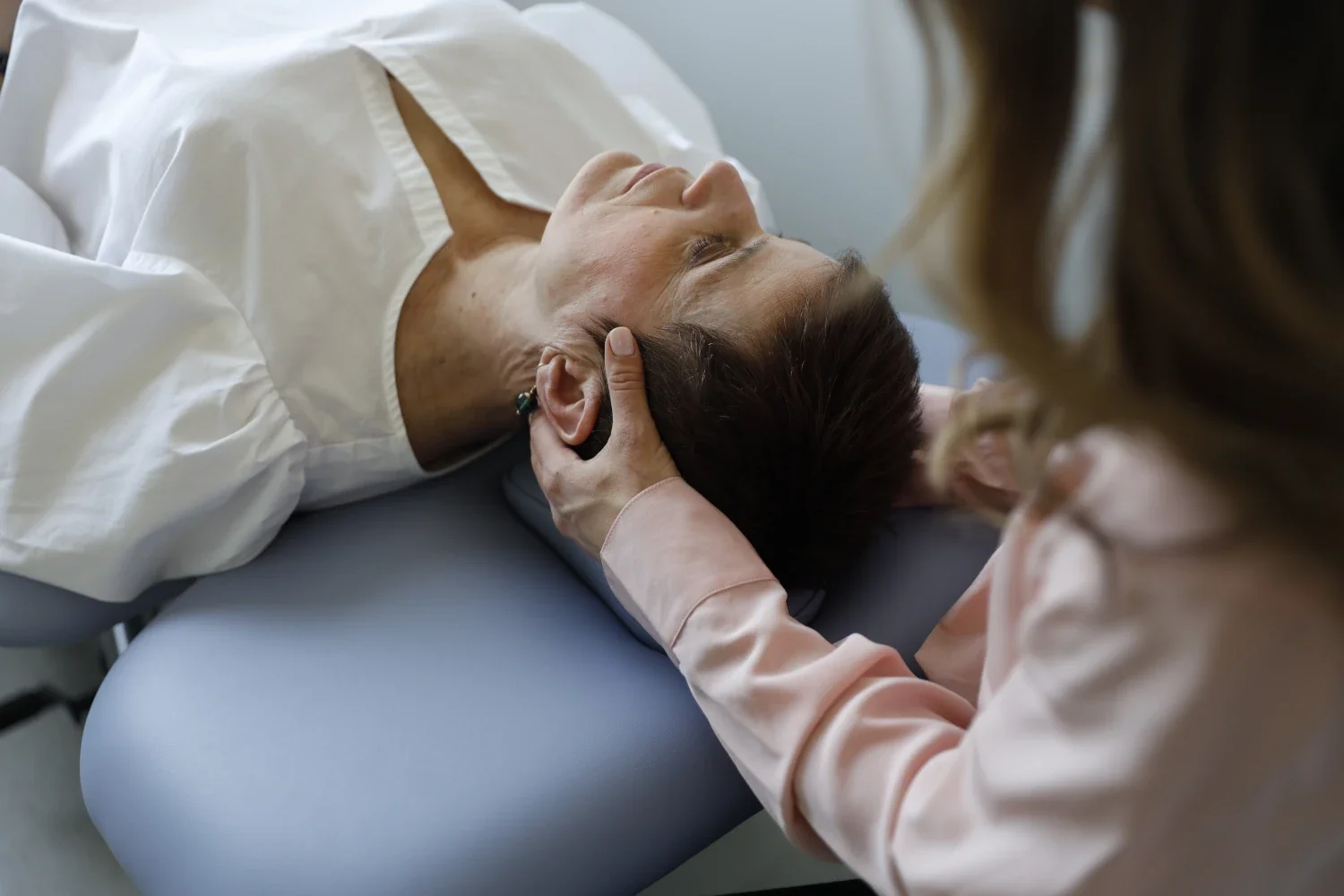
Our assessments focuses on understanding how your brain and balance systems are responding after exposure to motion, such as a cruise, flight, long drive, or other travel-related trigger. MdDS is commonly described as a persistent rocking, swaying, bobbing, or floating sensation, often without true spinning vertigo. During the assessment, we take a detailed health history to understand when your symptoms began, what type of motion exposure may have triggered them, how long they have persisted, and whether they improve or worsen in specific situations, such as while driving, standing still, lying down, or being in visually busy environments.
MdDS Care Approach
Care for Mal de Débarquement Syndrome is individualized and focuses on improving how the nervous system processes motion, balance, and spatial orientation. Depending on your findings, care may include vestibular and visual rehabilitation exercises, eye-head coordination training, balance and proprioceptive retraining, neurological stimulation exercises, gradual exposure to movement or visual triggers, and cervical spine therapy when neck involvement is present.

When Should You Seek Help for MdDS?
You may benefit from an assessment if you experience a persistent rocking, swaying, bobbing, or floating sensation after travel or motion exposure, especially if the symptoms last more than a few days. MdDS may also be considered when symptoms feel worse while sitting or standing still, but temporarily improve when you are back in passive motion, such as riding in a car. An assessment may also be helpful if you have ongoing imbalance, disorientation, visual motion sensitivity, difficulty concentrating, fatigue, or symptoms that interfere with work, driving, exercise, or daily activities.

Frequently Asked Questions About MdDS
-
The most common trigger is prolonged exposure to passive motion such as a cruise, flight, or long road trip. In some cases, symptoms may begin without a clearly identifiable trigger, which is referred to as spontaneous onset.
-
Symptoms can last from weeks to months, and in some cases years. Without targeted intervention, the brain may remain in this maladapted state longer than expected.
-
Some individuals experience spontaneous resolution, especially in early stages. However, persistent cases often require targeted therapy to help the brain recalibrate.
-
Not entirely. While the vestibular system is involved, the condition is primarily driven by how the brain processes motion signals rather than a structural issue within the inner ear.
-
Yes. Targeted neurological and vestibular rehabilitation approaches can help reduce symptoms and improve function by retraining the brain’s processing of motion and balance.
-
No. Although both involve dizziness, the sensations and mechanisms differ. Mal de Debarquement Syndrome typically involves a constant rocking feeling, while vertigo often presents as spinning triggered by movement.

Get Assess for Mal de Débarquement Syndrome
If you feel like your body never fully “landed” after travel, you are not alone, and this condition can be assess. Targeted neurological care can help restore function and accelerate symptoms improvements. A comprehensive neurological assessment can help identify the source of your symptoms and guide a personalized plan.
Book a 30-minutes case review consultation today and begin a structured approach to care.