Retained Primitive Reflexes Assessment in Calgary
We assess retained primitive reflexes and movement patterns that influence posture, coordination, and nervous system function beyond infancy.
Sounds familiar but not quite sure? Book a Case Review Phone Consultation today!
What are retained primitive reflexes?
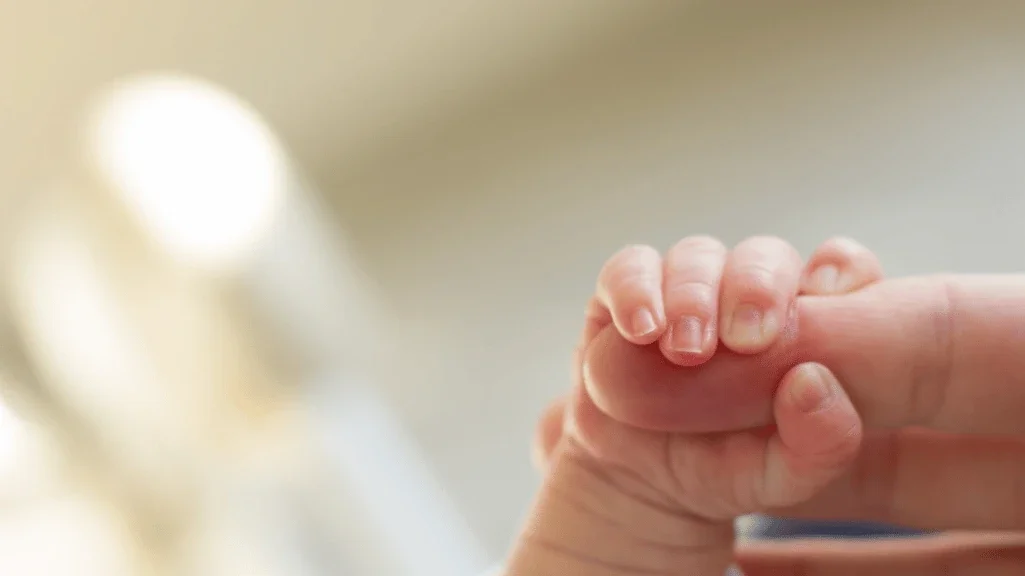
Primitive reflexes begin as normal survival and developmental responses in infancy. Examples include the Moro reflex, rooting reflex, Babinski reflex, and neck reflexes such as ATNR and STNR. Many of these are expected to diminish within the first months of life, while some, like the Babinski response, may remain normal longer in infancy before disappearing as the nervous system matures. A retained reflex does not automatically mean something is seriously wrong. It does mean there may be a degree of neuromotor immaturity or altered nervous system organization worth looking at more closely, especially when it appears alongside concerns about movement, coordination, sensory processing, attention, posture, or developmental milestones.
Signs often associated with retained primitive reflexes
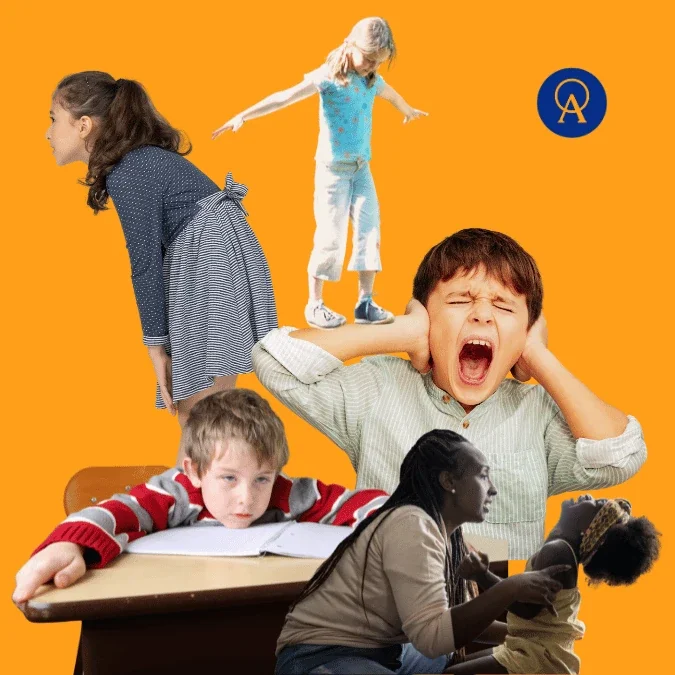
Children with retained primitive reflexes may present in different ways. Some families notice awkward posture, poor balance, clumsiness, difficulty sitting still, challenges with hand-eye coordination, or trouble with tasks that require crossing the midline, bilateral coordination, or fine motor control. In some children, retained reflex patterns have also been associated in the literature with differences in attention, behavior, and school-related performance. These associations are important, but they should be interpreted carefully because association does not prove cause.
For example, a retained ATNR may affect activities that depend on coordinated use of both sides of the body, while a retained STNR may influence posture and movement patterns involved in crawling, sitting, and transitions. A retained Moro reflex may be discussed when a child seems unusually reactive to sensory input or startle. These patterns are not specific enough to diagnose a condition by themselves, but they can help guide a more complete evaluation.
Why assessment matters
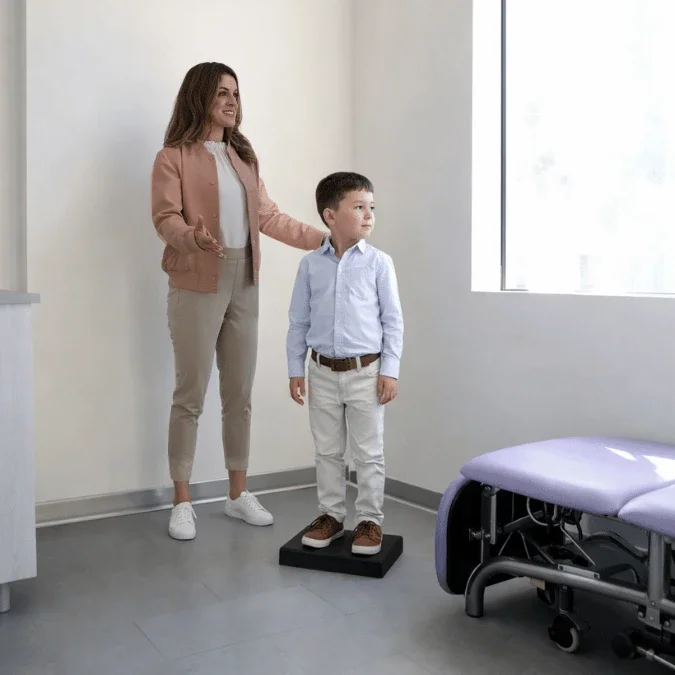
A retained primitive reflex is best understood in context. Good assessment does not rely on one reflex alone. It considers developmental history, current symptoms, posture, balance, coordination, movement quality, and whether there are signs that suggest referral to a pediatrician, occupational therapist, physiotherapist, or other qualified professional. Persistence of primitive reflexes can be a marker of developmental concern, which is why they are considered part of broader neurological and developmental evaluation.
Retained Primitive Reflexes at Anew Chiropractic
At Anew Chiropractic Clinic, our approach should be framed as assessment-led and collaborative. We look at how the nervous system may be influencing posture, movement, coordination, and everyday function, and we make recommendations based on the individual child in front of us. When appropriate, we also encourage families to work with other healthcare professionals so care is comprehensive and evidence-informed.

When to consider an evaluation
If your child struggles with coordination, posture, balance, visual tracking, body awareness, or motor planning, it may be worth discussing those concerns with a qualified provider. The same is true if your child seems unusually clumsy, avoids certain movement tasks, has difficulty with early motor milestones, or shows persistent patterns that raise questions about nervous system development. Primitive reflexes are only one part of the picture, but they can help guide next steps.

Frequently Asked Questions About Retained Primitive Reflexes
-
Retained primitive reflexes are infant reflex patterns that remain active beyond the age they are typically expected to fade. Primitive reflexes are normal in early development, but if they persist, they may be a sign that a child’s nervous system needs further assessment.
-
No. A retained reflex is a clinical finding, not a diagnosis by itself. It should be interpreted alongside developmental history, physical findings, symptoms, and, when necessary, referral for broader pediatric or therapy assessment.
-
Research has linked persistent primitive reflexes with differences in motor skills, posture, balance, coordination, and, in some studies, attention or learning-related difficulties. These are associations, not proof that the reflex caused the issue.
-
Assessment usually includes a health and developmental history, observation of movement and posture, reflex testing, and consideration of whether other neurological or developmental evaluation is needed. Primitive reflexes are one part of a broader assessment process.
-
Care is often aimed at improving function rather than making absolute promises about “integrating” a reflex. Depending on the child, this may include movement-based exercises, developmental support, and referral to other professionals. The evidence base is still developing, so treatment claims should be conservative and individualized.
-
Consider an evaluation if your child has ongoing issues with balance, posture, coordination, fine motor tasks, body awareness, visual tracking, or movement milestones, or if a teacher, pediatrician, or therapist has raised concerns.

Book an assessment
If you have concerns about retained primitive reflexes, coordination, posture, or your child’s neurological development, booking an assessment is a reasonable next step. A proper evaluation can help clarify whether reflex patterns appear relevant and whether additional support or referral would be helpful.
The symptoms sound familiar, but I’m not sure…
Book a 30-minute Phone Case Review consultation. This is a brief, no-pressure phone conversation with a practitioner to understand what your child is experiencing and determine whether our approach is the right fit for you. We’ll discuss your main concerns, review relevant history at a high level, and explain how care at our clinic works. This is also an opportunity to ask questions before committing to a full assessment.
I’m ready for a proper evaluation for my child…
Book an Initial Intake Appointment. This is your first in-depth appointment at the clinic, where we perform a detailed evaluation of your condition. The visit includes a full review of your child’s health history, a neurological and/or physical examination, and any relevant testing needed to understand what’s contributing to their symptoms. Based on this, we begin forming a clinical impression and outline your care plan.