
Concussion Assessment in Calgary
We assess how the brain and nervous system are functioning to guide targeted, individualized care for concussion and post-concussion symptoms.
Learn about Post-Concussion Syndrome Assessment HERE
Unsure about your symptoms? Book your 30-min Case Review Phone Consultation today!
What Is a Concussion?
A concussion is a mild traumatic brain injury (mTBI) that occurs when a force or impact causes the brain to move within the skull. This can disrupt how the brain processes information, even if there is no visible damage on imaging. Concussions can affect multiple systems, including balance (vestibular system), vision, coordination, and cognitive function. Symptoms may appear immediately or develop over time. Whiplash injuries—commonly associated with car accidents—can also contribute to similar symptoms due to the close relationship between the neck, brain, and vestibular system.
Common Symptoms of a Concussion

Symptoms vary from person to person and may evolve over time. Common symptoms may include headaches or pressure in the head, dizziness or vertigo, balance problems, brain fog or difficulty concentrating, memory issues, sensitivity to light or noise, nausea, fatigue, blurred or double vision, irritability or mood changes, and sleep disturbances.
Common Causes of a Concussion
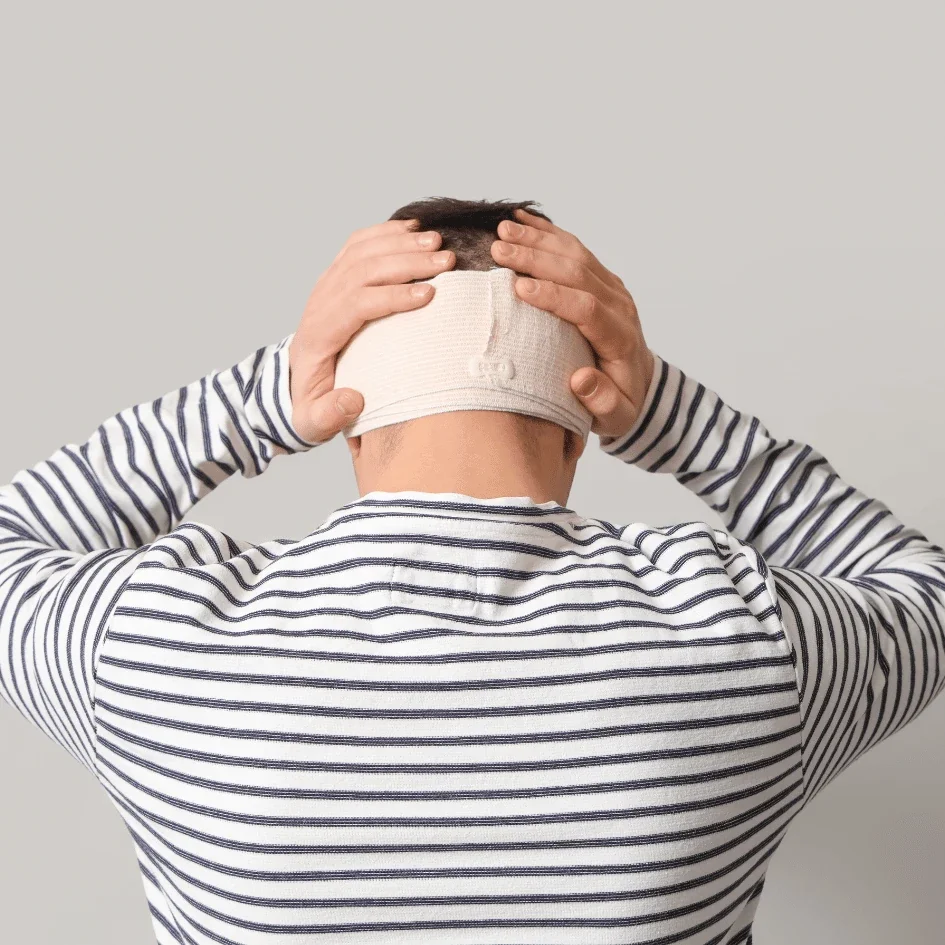
Concussions can result from a variety of physical impacts or forces, including sports-related injuries, motor vehicle accidents such as whiplash, falls or slips, direct blows to the head, and sudden acceleration or deceleration forces. Even without direct head impact, rapid movement of the head and neck can disrupt brain function.
How Long Does Concussion Recovery Take?
Recovery timelines vary depending on the individual and the severity of symptoms. Some people recover within a few weeks, while others may experience symptoms for months. Persistent symptoms are often referred to as post-concussion syndrome. Recovery depends on identifying and addressing the systems involved, such as vestibular, visual, or neurological function.


Concussion-Related Conditions We Commonly See
Post-Concussion Dysautonomia
Heart rate, blood pressure, or fatigue-related symptoms following concussion.
Concussion symptoms often overlap with other conditions. We commonly assess and manage:
Vertigo
Dizziness, imbalance, or motion sensitivity related to the vestibular system.
Post-Concussion Syndrome
Persistent symptoms lasting weeks or months after the initial injury.
Cervicogenic Dizziness
Headaches, dizziness, or discomfort originating from the cervical spine.
How We Assess Concussions
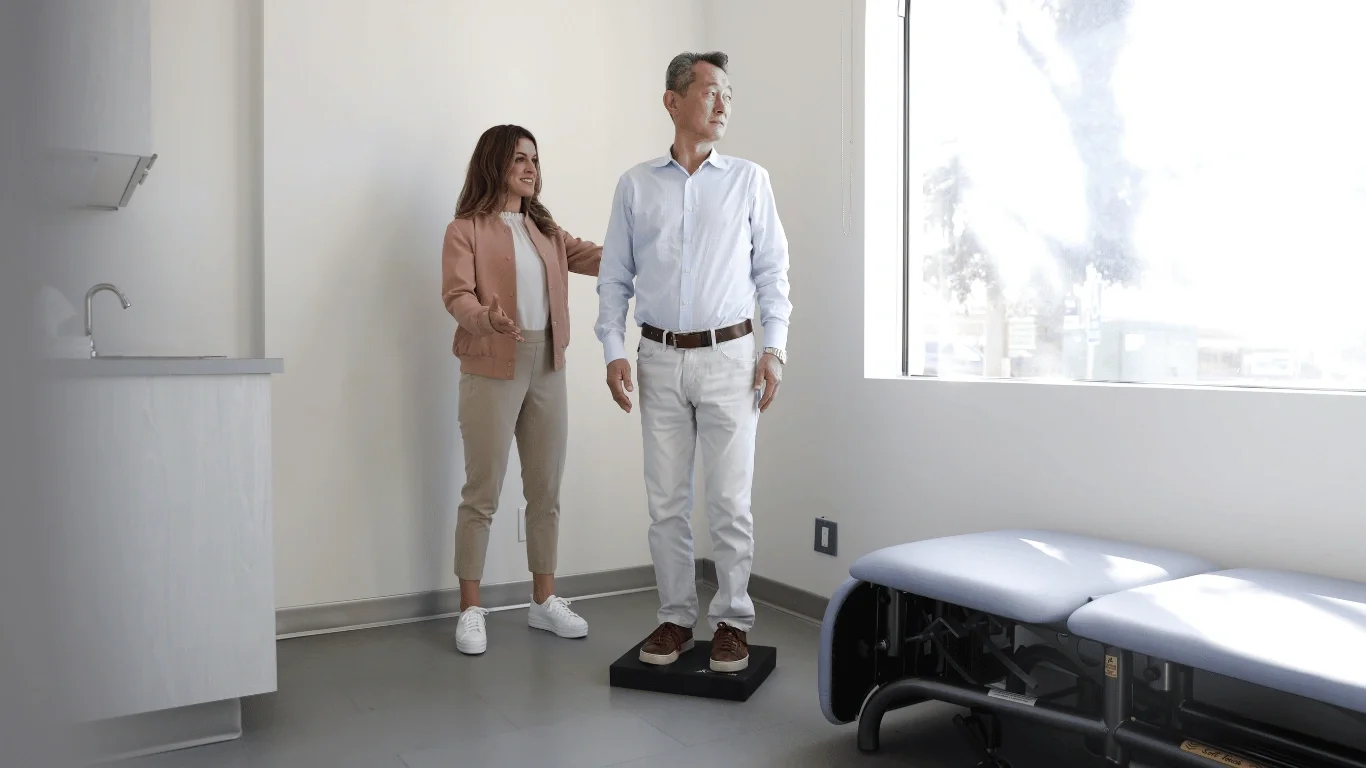
Our approach focuses on identifying which systems are affected rather than treating concussion as a single condition. Assessment may include a detailed history of the injury and symptoms, cognitive and neurological screening, eye movement and visual tracking tests, balance and coordination assessment, vestibular system evaluation, cervical spine assessment, and autonomic nervous system indicators. This allows us to identify the specific areas of dysfunction and tailor care accordingly.
Concussion Care Approach
Care is individualized and based on your presentation. Depending on your findings, our approach may include vestibular rehabilitation for dizziness and balance issues, eye movement and visual coordination exercises, gradual return-to-activity strategies, neurological stimulation exercises, balance and coordination retraining, and cervical spine therapy if neck involvement is present. The goal is to support the brain’s recovery and improve how the nervous system processes information.
When should you seek care for a concussion?
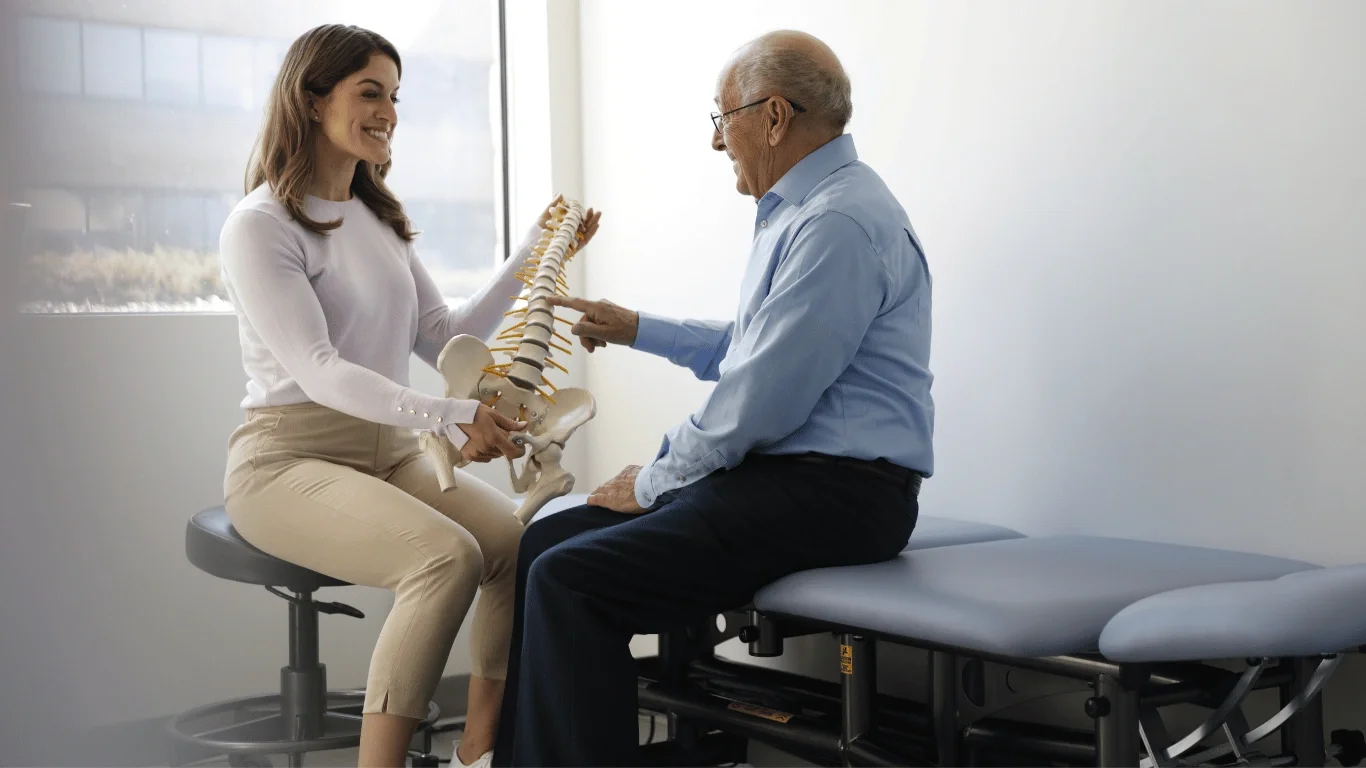
You should consider an assessment if you experience symptoms lasting more than a few days, persistent headaches or dizziness, difficulty concentrating or remembering, balance issues or instability, sensitivity to light or noise, or symptoms that interfere with work, school, or daily life. Early evaluation can help guide recovery and help reduce the risk of prolonged symptoms.

Frequently Asked Questions About Concussions
-
A concussion is considered a mild traumatic brain injury. While classified as “mild,” symptoms can still significantly affect daily function.
-
Most concussions do not appear on imaging such as CT scans or MRIs. Diagnosis is typically based on symptoms and clinical assessment.
-
Many people recover fully, especially with appropriate management. Recovery timelines vary.
-
Many people recover within a few weeks, but recovery time can vary depending on the severity of the injury and individual factors.
-
Post-concussion syndrome refers to symptoms that persist beyond the expected recovery period.
-
Yes. Neck injuries can contribute to dizziness, headaches, and neurological symptoms due to the connection between the cervical spine and brain function.
-
Yes. Concussions often affect the vestibular system, which helps regulate balance and spatial orientation.
-
Early rest is often recommended, but gradual return to activity is usually encouraged under professional guidance.

Get Assessed For Concussion
If you are experiencing symptoms after a concussion or whiplash injury, identifying the underlying cause is key to recovery. At Anew Chiropractic Clinic, we assess how different systems of the body are functioning to guide targeted care.
Book a 30-minute Virtual or Phone Case Review consultation, we’ll listen to your symptoms, answer your questions, and help you determine the most appropriate next steps for care.