

Post-Concussion Assessment Calgary
Targeted, evidence-informed care for persistent concussion symptoms using functional neurology and individualized rehabilitation.
Book A 30-min Case Review Consultation Today!
A concussion does not always resolve within a few weeks. For many individuals, symptoms persist—affecting work, movement, cognition, and quality of life. This is commonly referred to as post-concussion syndrome (PCS).
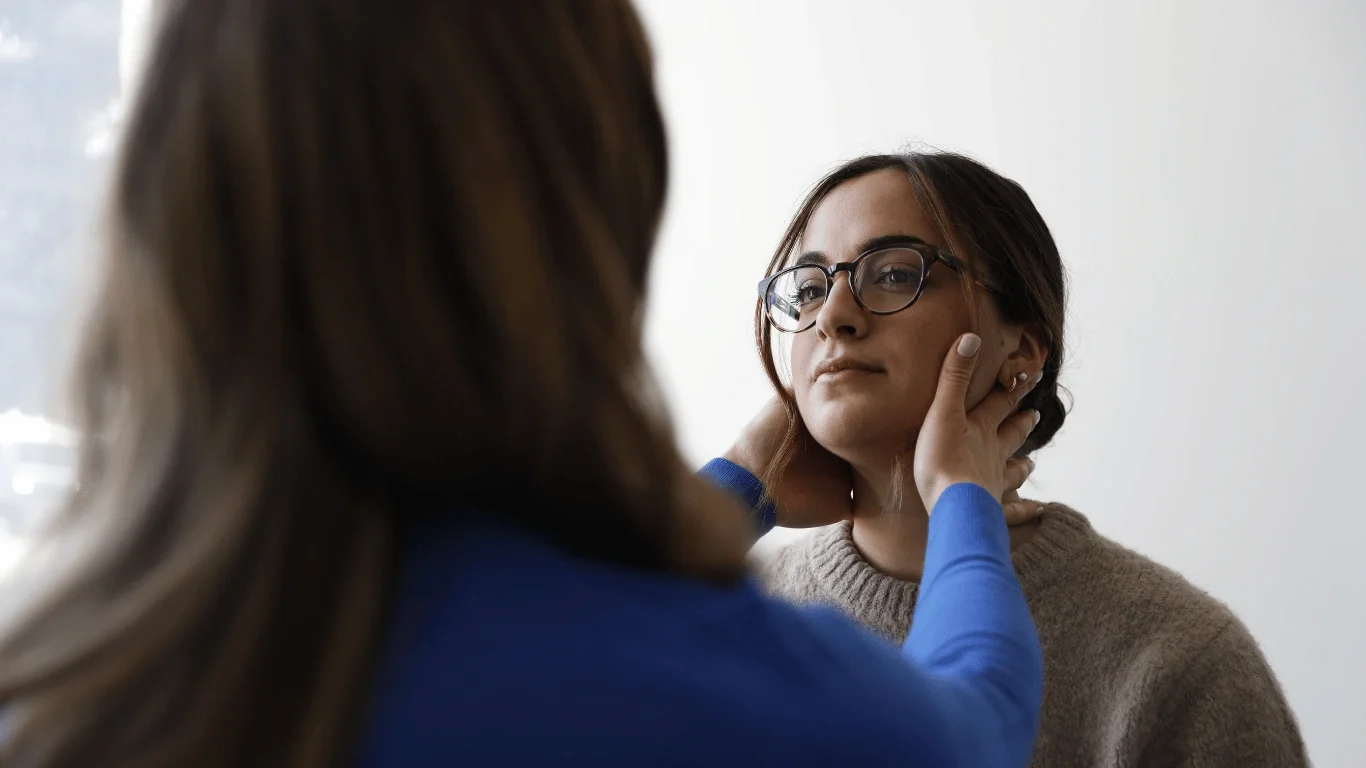
At Anew Chiropractic we focus on identifying why symptoms are persisting. Rather than waiting for symptoms to “settle,” our approach evaluates how the brain and nervous system are functioning and builds a structured plan to restore normal processing.
We support patients across Calgary dealing with ongoing symptoms after a concussion, including dizziness, brain fog, headaches, and visual or balance disturbances.

What Is Post-Concussion Syndrome (PCS)?
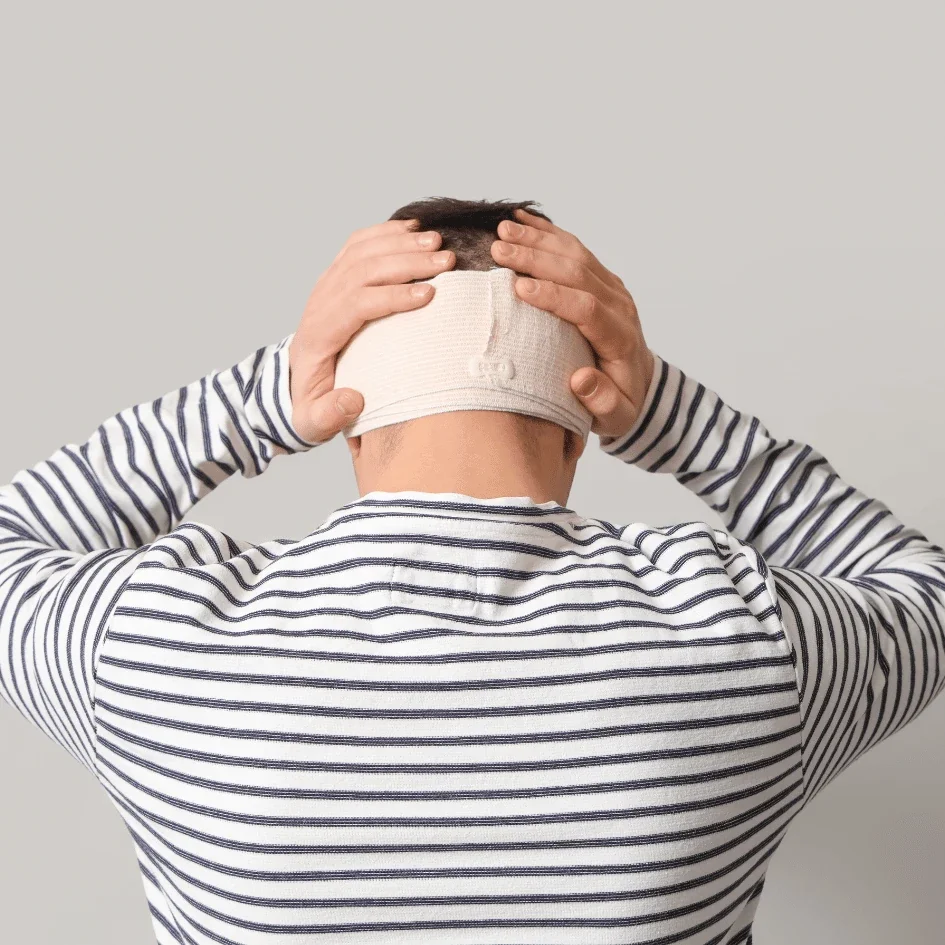
Post-concussion syndrome refers to a collection of symptoms that continue for weeks or months after the initial head injury. While the brain may appear structurally normal on imaging, its functional performance is often disrupted. These symptoms are not random. They reflect ongoing dysfunction in how the brain processes information, regulates balance, integrates sensory input, and controls autonomic responses. Patients often feel frustrated because they are told they are “fine” despite clearly not feeling normal. This gap between imaging and lived experience is precisely where functional neurology becomes critical.
Common Post-Concussion Symptoms

Post-concussion symptoms can vary significantly from person to person, depending on which areas of the brain were affected. Most patients experience a combination of physical, cognitive, and sensory symptoms.
Persistent headaches, dizziness, and balance issues are among the most common physical complaints. Many individuals also report brain fog, difficulty concentrating, memory challenges, and slower processing speed. Sensitivity to light and sound, visual disturbances, and motion intolerance are also frequent. In some cases, patients experience fatigue, sleep disruption, anxiety, or a general sense of being “off.” These symptoms are not psychological in origin; they are neurological in nature.
Why Symptoms Persist After a Concussion
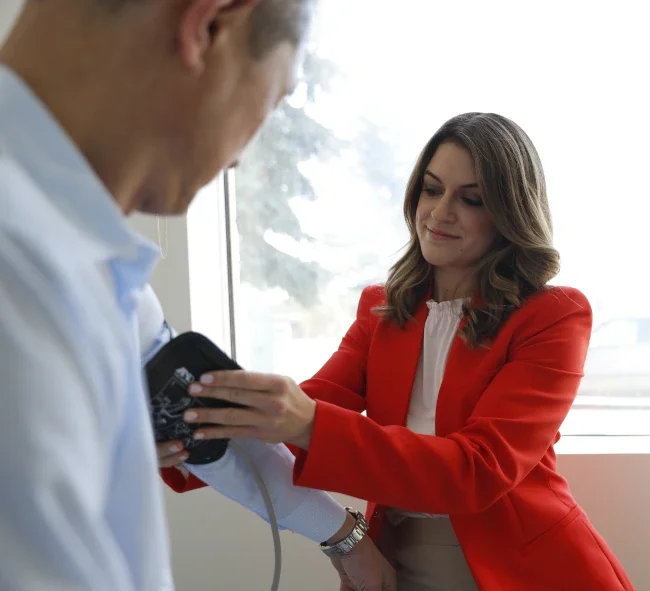
A concussion disrupts normal brain signaling. Even after the initial injury heals, the brain may remain in a state of inefficient communication between regions. This can affect systems such as the vestibular system, which controls balance and spatial awareness, as well as the autonomic nervous system, which regulates heart rate, blood pressure, and stress response. Visual processing and coordination between the eyes and brain are also commonly affected. When these systems are not functioning properly, the brain has to work harder to perform basic tasks, leading to fatigue and symptom persistence.
Recovery requires more than rest. It requires targeted, individualized rehabilitation to restore normal neurological function.
How We Treat Post-Concussion Symptoms
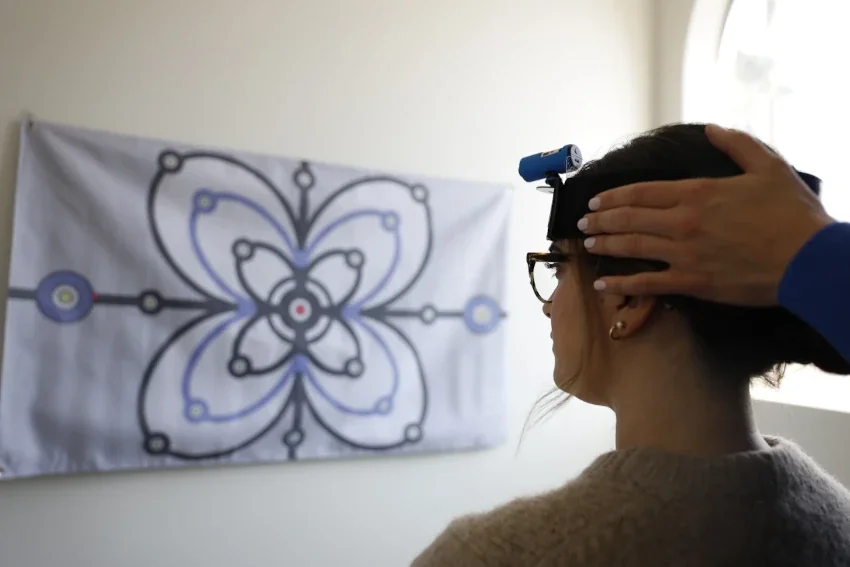
At Anew Clinic, treatment is based on a detailed neurological assessment rather than a one-size-fits-all approach. We evaluate how your brain is functioning across multiple systems, including balance, eye movements, coordination, and cognitive processing.
Your care plan is designed to stimulate and retrain specific areas of the brain that are underperforming. Rather than masking symptoms, the goal is to restore proper brain function so that symptoms resolve at their source. Treatment is progressive and adaptive, meaning it evolves as your brain improves.
Who This Treatment Is For

This approach is particularly effective for individuals who feel stuck in their recovery. Many of our patients come to us after weeks or months of persistent symptoms with little improvement.
It is appropriate for those recovering from sports injuries, motor vehicle accidents, falls, or any form of head trauma. It is also beneficial for individuals who were told to “wait it out” but continue to experience symptoms.
Even if your concussion happened months or years ago, improvement is still possible with the right intervention.
What to Expect at Anew Clinic

Your first visit involves a comprehensive assessment focused on how your brain and nervous system are functioning. This allows us to identify the specific areas contributing to your symptoms.
From there, we build a structured care plan designed around your unique presentation. Treatment sessions are active and targeted, focusing on measurable progress over time.
Patients typically begin to notice changes in clarity, stability, and symptom intensity as care progresses.

Start Your Recovery
If you are still dealing with symptoms after a concussion, waiting is unlikely to resolve the issue. The longer dysfunction persists, the more it can affect other systems in the body. Targeted neurological care can help restore function and accelerate recovery.
Book a 30-minutes case review consultation today and begin a structured approach to recovery.
Frequent Asked Questions
-
Post-concussion symptoms can last weeks, months, or longer depending on the individual and the systems affected. Without targeted treatment, some symptoms may persist indefinitely.
-
Some individuals recover naturally, but many do not fully resolve without intervention. Persistent symptoms often indicate underlying neurological dysfunction that requires treatment.
-
Imaging is often normal in post-concussion cases. The issue is typically functional rather than structural, which is why detailed neurological assessment is more valuable for guiding treatment.
-
Functional neurology focuses on how the brain is working rather than what it looks like. Treatment is based on restoring communication between brain regions through targeted stimulation.
-
No. The brain retains the ability to change and adapt. Many patients see improvement even long after the initial injury when proper treatment is applied.
-
Not necessarily. Treatment is designed to work alongside your daily life, with adjustments made based on your tolerance and progress.