Post-Stroke Support and Assessment in Calgary
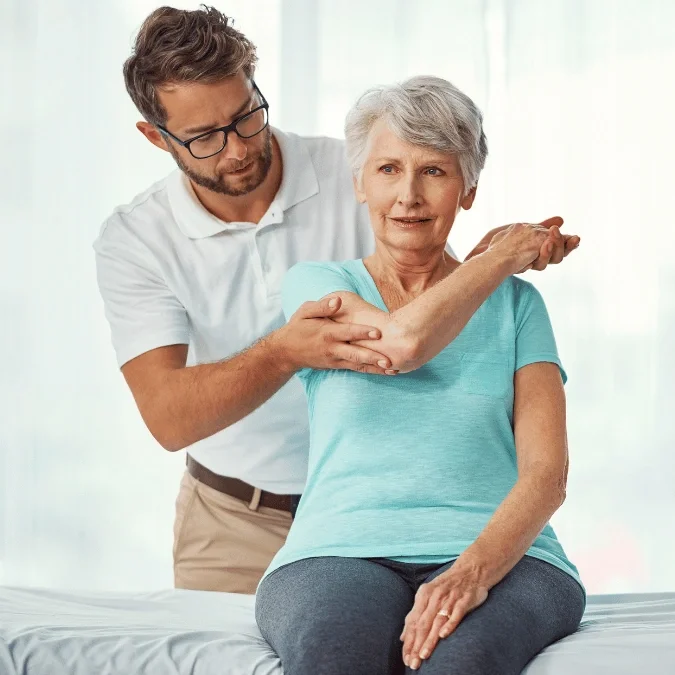
We provide neurology-informed assessment and supportive care for individuals navigating stroke recovery and experience challenges with balance, coordination, dizziness, fatigue, visual processing, posture, confidence, and day-to-day function long after the initial event.
Not sure how we can help? Book a Case Review Phone Consultation today!
**We do not to replace emergency or specialist medical care
What Is a Stroke?
A stroke occurs when blood flow to part of the brain is interrupted or reduced, depriving brain tissue of oxygen and nutrients. When this happens, brain cells can become damaged or die within minutes. Because the brain helps control movement, sensation, balance, coordination, speech, vision, posture, and many automatic body functions, the effects of a stroke can vary significantly from one person to another. Some individuals recover quickly, while others continue to experience neurological and functional challenges that interfere with daily life. Stroke rehabilitation focuses on helping the brain and body adapt, reorganize, and improve function over time. At our Calgary clinic, we focus on helping patients better understand and support the neurological challenges that may remain after stroke, especially those involving balance, movement, posture, sensory integration, and nervous system regulation.
Why Stroke Rehabilitation Matters
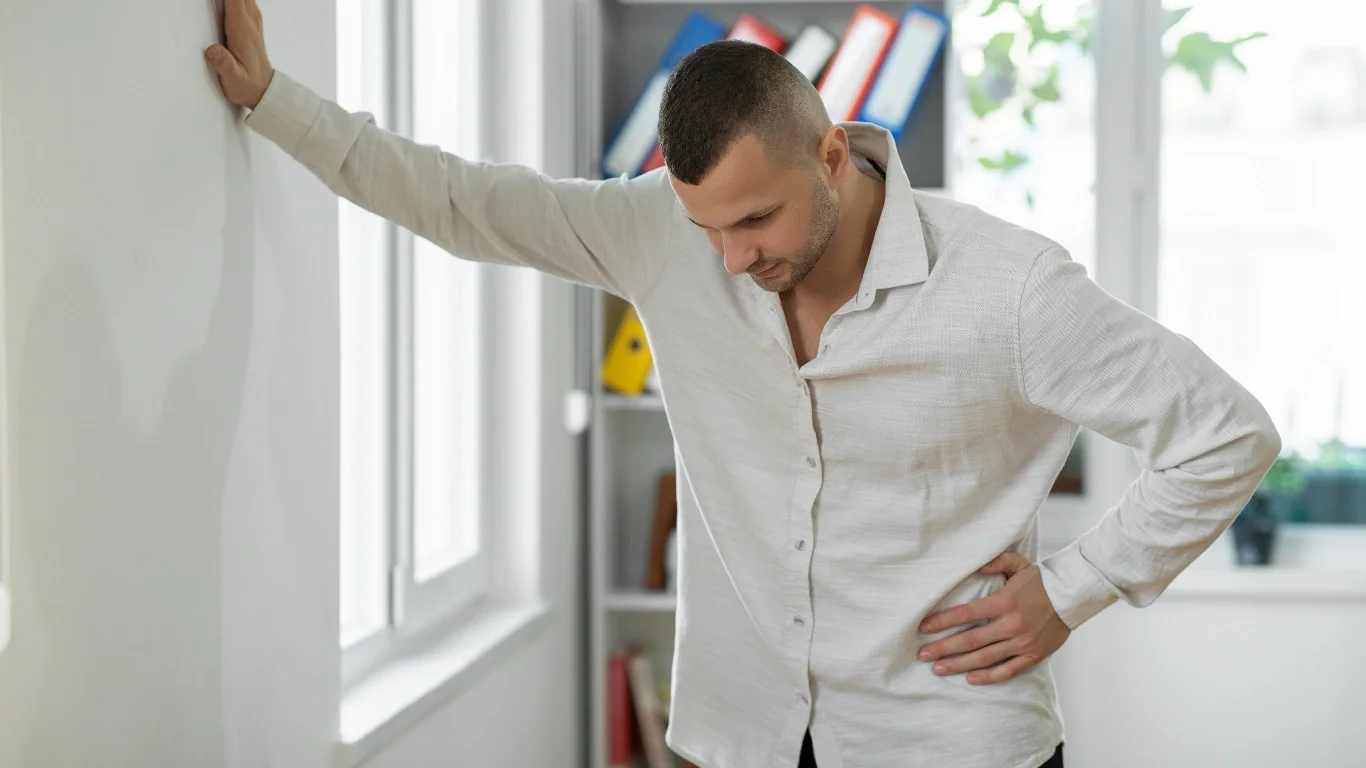
Stroke rehabilitation is an important part of helping people regain function, confidence, and independence after a stroke or transient ischemic attack. While acute medical care focuses on stabilization and safety, rehabilitation focuses on what happens afterward, including how the person moves, functions, responds to sensory input, and manages daily life. Stroke rehabilitation may be important for people dealing with reduced balance or stability, walking difficulty, coordination changes, dizziness or visual disorientation, postural asymmetry, fatigue during movement, reduced confidence in busy or stimulating environments, or functional limitations that remain after formal medical treatment. Even when the major medical phase has passed, the nervous system may still need support.
What Can Stroke Rehabilitation Help With?

Stroke rehabilitation is not only about regaining muscle strength. It may also involve supporting how the brain and body work together during movement, posture, orientation, and sensory processing. Stroke rehabilitation may focus on challenges involving balance and stability, walking and gait, coordination, eye movements and visual tracking, posture and body awareness, vestibular function, reaction time, movement confidence, sensory integration, and tolerance to movement and stimulation. Because these systems are deeply interconnected, many patients benefit from a broader neurological and functional approach rather than focusing on one symptom in isolation.
Common Symptoms After a Stroke

Stroke rehabilitation often involves supporting a range of neurological and physical symptoms that may continue after the initial event. Common post-stroke symptoms may include weakness on one side of the body, changes in coordination, difficulty walking, balance problems, dizziness or instability, visual changes, mental fatigue, brain fog, reduced reaction time, altered posture or body awareness, fine motor control difficulties, numbness or altered sensation, headaches, reduced confidence with movement, and increased sensitivity to busy environments or motion. These symptoms may improve with time, but many patients benefit from a more targeted understanding of which systems are still being affected.

Types of Post-Strokes We Assess
Understanding the type of stroke can help provide context for both medical treatment and rehabilitation.
Hemorrhagic Stroke
This occurs when a blood vessel in the brain leaks or ruptures, causing bleeding into or around the brain.
Transient Ischemic Attack (TIA)
Often called a mini-stroke, it causes temporary interruption of blood flow to the brain. Symptoms may resolve quickly, but it should still be treated seriously and medically evaluated.
Ischemic Stroke
This is the most common type of stroke and happens when a blood vessel supplying the brain becomes blocked.
Regardless of stroke type, many people continue to experience lingering symptoms that may benefit from a more complete functional assessment.
How We Assess Post-Stroke Concerns
Our approach to Post-stroke-related concerns begins with a detailed health history and functional assessment. A stroke is a medical emergency, and any new or sudden symptoms should be assessed immediately by emergency medical services. For patients who have already received medical care and are in the recovery or rehabilitation phase, our assessment focuses on understanding how the stroke has affected movement, balance, coordination, posture, vision, sensory processing, and daily function.

Post-Stroke Support Care Approach
Post-Stroke support is individualized based on your history, current symptoms, functional limitations, and assessment findings. Depending on your needs, care may include balance and proprioceptive retraining, gait and posture exercises, eye-head coordination training, visual tracking exercises, vestibular rehabilitation, movement-based neurological exercises, sensory integration strategies, and cervical spine therapy when appropriate.
When Should You Seek Help For Post-Stroke Concerns?
You should call emergency services immediately if you experience sudden weakness or numbness on one side of the body, facial drooping, difficulty speaking, confusion, sudden vision changes, severe dizziness, loss of balance, sudden severe headache, or trouble walking. These may be signs of a stroke and should never be ignored. You may benefit from a supportive neurological and functional assessment if you have already been medically evaluated for a stroke and continue to experience balance problems, difficulty walking, dizziness, visual changes, coordination issues, altered posture, body awareness challenges, fatigue, reduced reaction time, or reduced confidence with movement.
Frequently Asked Questions About Post-Strokes
-
No responsible provider should claim to cure stroke damage. Recovery varies from person to person. Supportive care may help address functional limitations and ongoing neurological challenges as part of a broader care plan.
-
Not necessarily. Some individuals continue to benefit from rehabilitation-based support long after the initial stroke, depending on their symptoms, functional limitations, and goals.
-
It may help support systems related to balance, coordination, visual processing, and movement confidence, depending on the person and their presentation.
-
If you have already had a stroke or TIA diagnosis and are looking for supportive neurological assessment, you may not need anything additional to start a conversation. If symptoms are new or unexplained, proper medical evaluation is essential first.
-
Yes. Stroke can affect how the brain processes visual information, movement, spatial awareness, and coordination.
-
No. Our role is supportive and may complement broader medical and rehabilitation care where appropriate.
Other Post-Stroke Related Conditions
Some seizure-related symptoms can overlap with other neurological or nervous system conditions.


Book A Post-Stroke Supportive Assessment
If you are looking for post-stroke rehabilitation in Calgary, Anew Chiropractic Clinic offers a thoughtful, non-invasive, neurologically-focused assessment approach for people navigating the neurological and physical effects of a stroke.
We aim to help patients better understand how their nervous system is functioning and whether supportive care may play a role in their recovery journey.
Book a 30-minute Virtual or Phone Case Review consultation, we’ll listen to your symptoms, answer your questions, and help you determine the most appropriate next steps for care.