


Migraine Treatment Calgary
Migraines are a neurological condition that can affect more than just the head, they can impact vision, balance, cognition, and overall function. At Anew Chiropractic Clinic, we assess how the brain and nervous system are contributing to migraines to guide individualized, non-invasive care.
You do not have to live like this. Recovery is possible. Book a Case Review Phone Consultation today!

What are Migraines?
Migraines are a complex neurological condition characterized by recurring episodes of head pain, often accompanied by sensory and neurological symptoms.
Unlike typical headaches, migraines involve changes in how the brain processes sensory information, including light, sound, movement, and internal signals. This can affect multiple systems, including the vestibular system (balance), visual system, and autonomic nervous system.
Migraines can vary in intensity, frequency, and presentation, and may occur with or without head pain.
Common Migraines Symptoms

Migraine symptoms can extend beyond head pain and may include:
Moderate to severe head pain (often one-sided)
Throbbing or pulsating sensation
Sensitivity to light (photophobia)
Sensitivity to sound (phonophobia)
Nausea or vomiting
Visual disturbances (aura, blurred vision, flashing lights)
Dizziness or vertigo
Brain fog or difficulty concentrating
Fatigue before or after episodes
Symptoms may occur in phases, including pre-migraine (prodrome), active migraine, and post-migraine recovery.
Common Migraines Causes

Migraines involve changes in how the brain processes and regulates sensory information.
This can include:
Increased sensitivity to light, sound, and movement
Altered communication between different regions of the brain
Changes in how the brain integrates visual, vestibular, and proprioceptive input
Dysregulation of the autonomic nervous system
These changes can explain why migraines often include symptoms beyond head pain, such as dizziness, nausea, and cognitive difficulty.
How Migraines Affect The Nervous System
Migraines are influenced by a combination of neurological, environmental, and physiological factors. Common triggers include:
Stress or changes in stress levels
Poor sleep or changes in sleep patterns
Hormonal fluctuations
Dehydration
Dietary factors (certain foods or irregular eating patterns)
Sensory overload (light, sound, motion)
Changes in routine or environment
While triggers can contribute to migraines, the underlying issue often involves how the nervous system processes and regulates sensory input.
Living with Migraines
Migraine patterns vary between individuals. Many people experience:
Periods of increased or decreased frequency
Sensitivity to specific triggers
Fluctuating symptom intensity
Management often involves identifying patterns, improving nervous system regulation, and building tolerance to triggers over time.

Types of Migraines We Commonly See
Migraines can present in different forms. At Anew Chiropractic Clinic, we commonly assess and manage:
Vestibular Migraine
Migraines associated with dizziness, vertigo, and balance disturbances.
Migraine with Aura
Migraines accompanied by visual or sensory disturbances before the headache phase.
Migraine without Aura
The most common form, characterized by headache and associated symptoms without warning signs.
Chronic Migraine
Frequent migraines occurring on 15 or more days per month.
Post-Traumatic Migraine
Migraines that develop following a concussion or head injury.
How We Assess Migraines
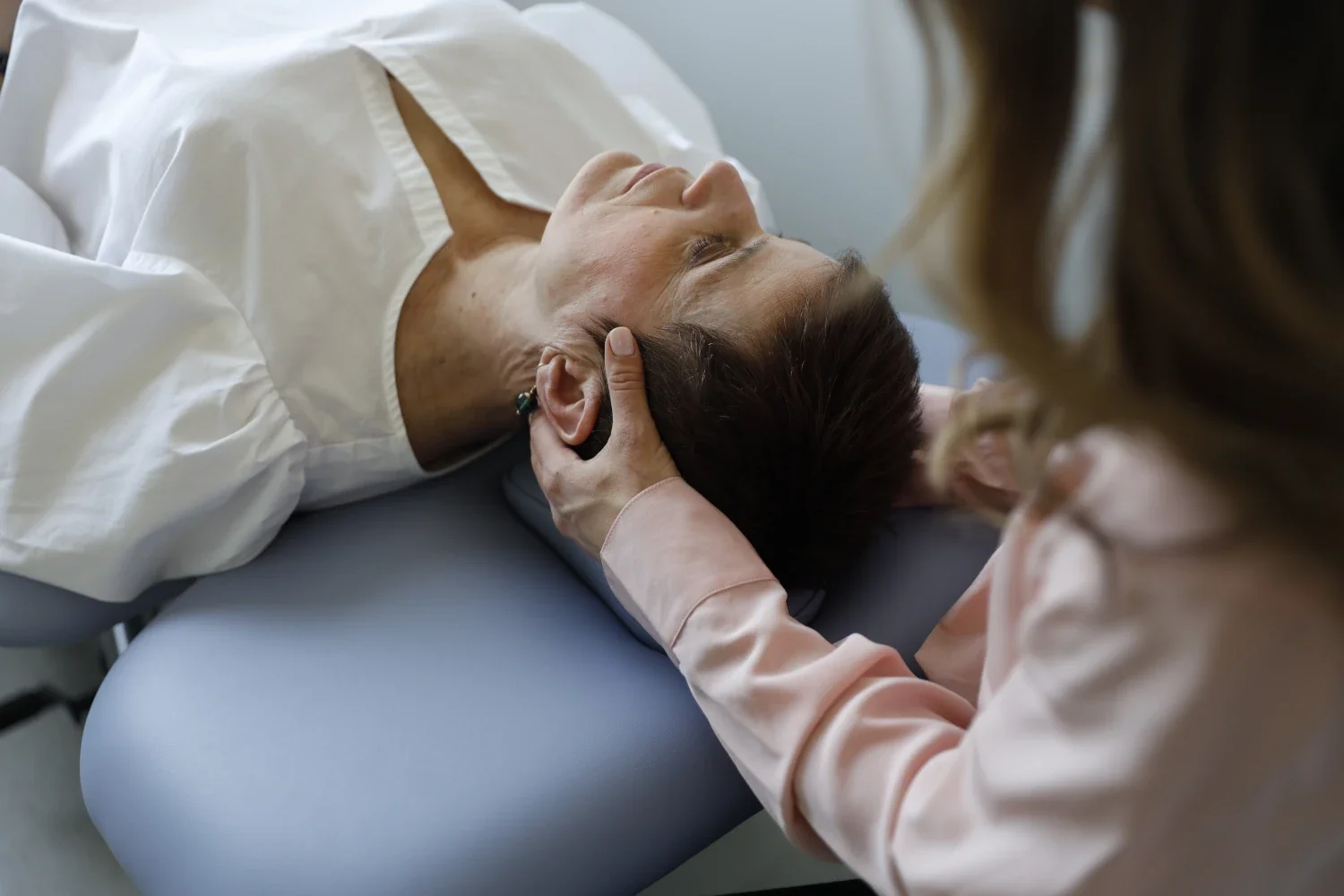
Our assessment focuses on identifying which systems are contributing to migraine symptoms. This may include:
Detailed symptom and trigger history
Neurological and cognitive screening
Eye movement and visual tracking tests
Balance and coordination assessment
Vestibular system evaluation
Cervical spine (neck) assessment
Autonomic nervous system indicators
This approach helps identify patterns and guides individualized care.
Migraine Treatment Approach
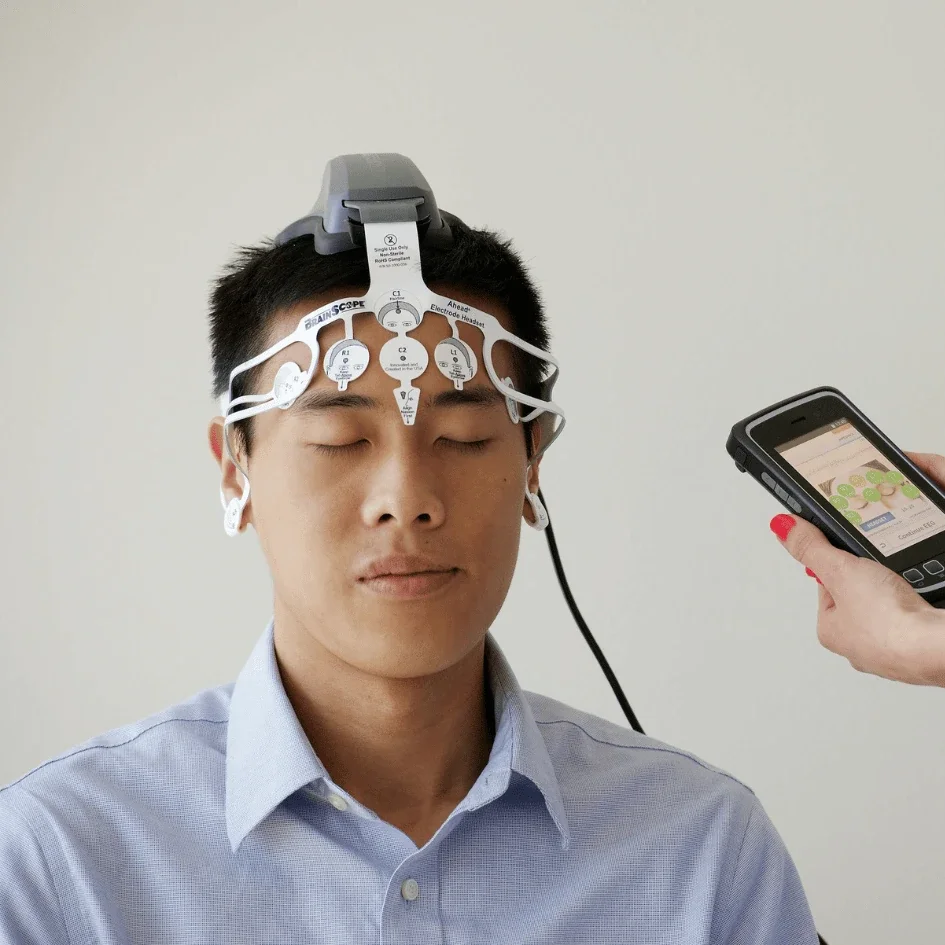
Treatment is tailored to your specific presentation. Our approach may include:
Vestibular and balance exercises
Eye movement and visual coordination training
Neurological stimulation exercises
Gradual exposure to sensory triggers
Cervical spine therapy (if neck involvement is present)
Lifestyle and habit guidance (sleep, hydration, pacing)
The goal is to improve how the brain processes sensory information and reduce the frequency and intensity of migraines.
When Should You Seek Help for Migraines?
You may benefit from an assessment if you experience:
Frequent or recurring migraines
Migraines that interfere with daily activities
Dizziness or vertigo associated with migraines
Visual disturbances or aura
Migraines following a concussion or injury
Increasing severity or frequency of symptoms
Early evaluation can help identify contributing factors and guide care.
“The goal is to improve how your brain processes information and adapts to stressors not just to temporarily reduce pain.”
Related Conditions
Migraines often occur alongside other neurological or vestibular symptoms. These may include:


Dizziness


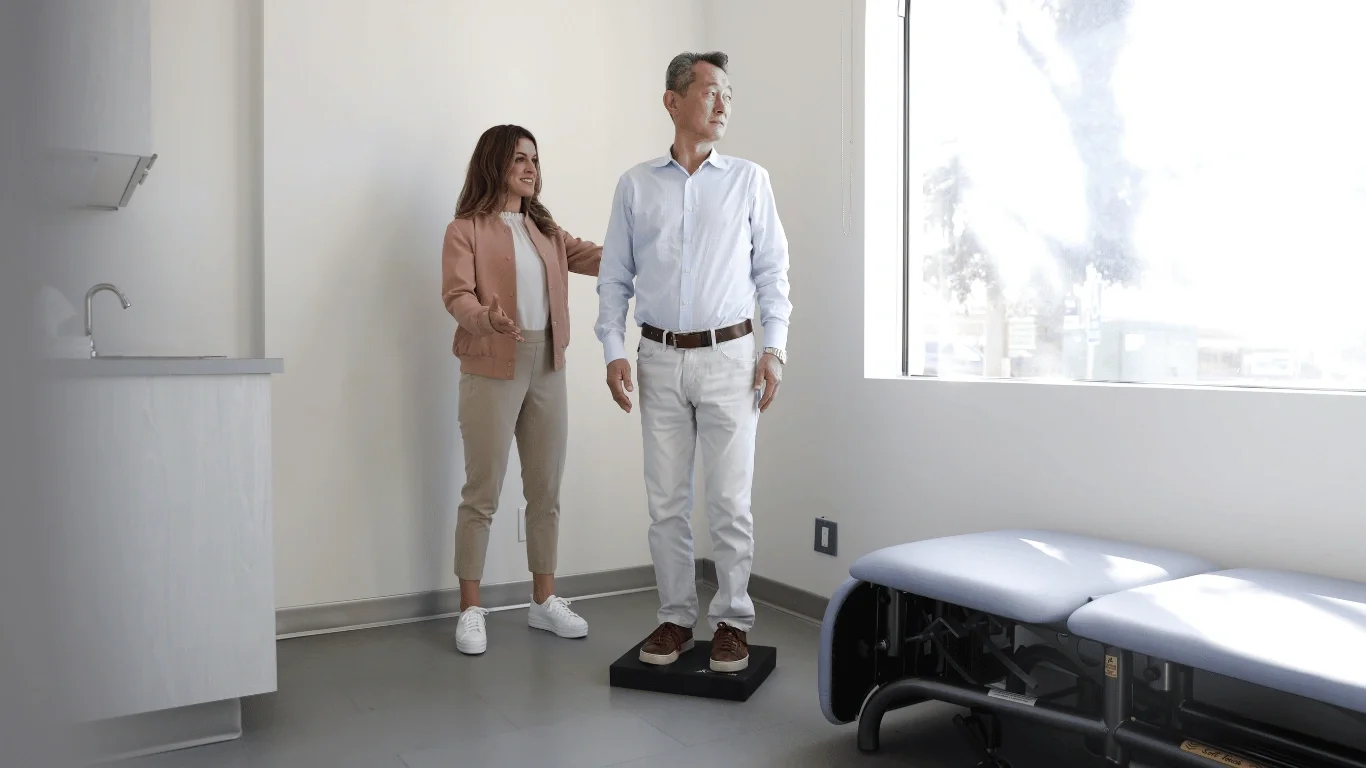
Balance Disorders
Migraine Frequently Asked Questions
-
The exact cause of migraines is not fully understood, but they are believed to involve changes in brain signaling and nervous system regulation.
-
Yes. Some individuals experience dizziness or balance disturbances, particularly with vestibular migraines.
-
Vestibular migraine is a type of migraine that primarily affects the balance system, leading to dizziness, vertigo, or motion sensitivity.
-
If migraines are frequent, worsening, or interfering with daily life, professional evaluation may help identify contributing factors and management strategies.
-
Migraines are a neurological condition involving multiple symptoms, while headaches are typically limited to pain.
-
An aura is a neurological symptom that can occur before a migraine, often involving visual disturbances such as flashing lights or blind spots.
-
Yes. Migraines involve how the brain and nervous system process sensory information.
-
Many individuals see improvement with appropriate management and understanding of triggers and contributing factors.

Get Assessed for Migraines
If you are experiencing migraines, understanding how your nervous system is functioning is the first step toward improving your symptoms.
At Anew Chiropractic Clinic, we take a comprehensive approach to assessing and supporting neurological function.
Book a 30-minute Virtual or Phone Case Review consultation, we’ll listen to your symptoms, answer your questions, and help you determine the most appropriate next steps for care.