


Vertigo Treatment in Calgary
Vertigo is a sensation of spinning or imbalance often linked to inner ear or neurological dysfunction. At Anew Chiropractic Clinic, we assess both the vestibular system and brain function to identify the root cause and guide targeted treatment.
You do not have to live like this. Recovery is possible. Book a Case Review Phone Consultation today!

What Is Vertigo?
Vertigo is a specific type of dizziness characterized by the sensation that you or your surroundings are moving or spinning. It is commonly associated with dysfunction in the vestibular system—the part of the inner ear and brain responsible for balance, spatial awareness, and coordination.
While vertigo is often linked to inner ear conditions, it can also arise from disruptions in how the brain processes sensory information from the eyes, body, and vestibular system. In some cases, vertigo may be related to neurological conditions, post-concussion changes, or cervical (neck-related) dysfunction.
Common Symptoms of Vertigo

Vertigo can present in different ways depending on the underlying cause. Common symptoms include:
A spinning or whirling sensation
Loss of balance or unsteadiness
Nausea or vomiting
Lightheadedness or feeling faint
Difficulty focusing or visual instability
Sensitivity to head movements
A floating or “off” sensation
Difficulty walking in a straight line
Symptoms may be brief and positional, or persistent and triggered by movement, stress, or environmental factors.
Common Causes of Vertigo

Vertigo can result from several underlying conditions affecting the vestibular system or brain. Common causes include:
Inner ear dysfunction (vestibular system imbalance)
Displacement of inner ear crystals (BPPV)
Vestibular migraine
Meniere’s disease (fluid imbalance in the inner ear)
Vestibular neuritis or labyrinthitis (inflammation or infection)
Concussion or whiplash-related dysfunction
Cervicogenic dizziness (neck-related sensory mismatch)
Nervous system dysregulation (including autonomic involvement)
Identifying the underlying cause is essential, as treatment approaches vary depending on the source of dysfunction.

Types of Vertigo We Commonly Treat
Vestibular Migraine
Vertigo associated with migraine activity, often without a headache.
Vestibular Neuritis
Inflammation of the vestibular nerve that can cause sudden, severe vertigo.
Meniere’s Disease
A condition involving fluid imbalance in the inner ear, leading to vertigo, hearing changes, and tinnitus.
BPPV
Benign Paroxysmal Positional Vertigo - a common cause of vertigo triggered by changes in head position due to displaced inner ear crystals.
Labyrinthitis
An inner ear condition involving both balance and hearing disturbances.
Cervicogenic Dizziness
Dizziness originating from dysfunction in the neck and its interaction with the vestibular system.
How We Assess Vertigo

Our approach focuses on identifying the root cause of vertigo through a comprehensive, functional assessment. This may include:
Detailed health history and symptom analysis
Eye movement and visual tracking assessments
Balance and coordination testing
Vestibular system evaluation
Postural and gait analysis
Cervical spine (neck) assessment
Neurological function testing
By evaluating how the brain and body communicate, we can identify areas of dysfunction and guide a targeted care plan.
Vertigo Treatment Approach
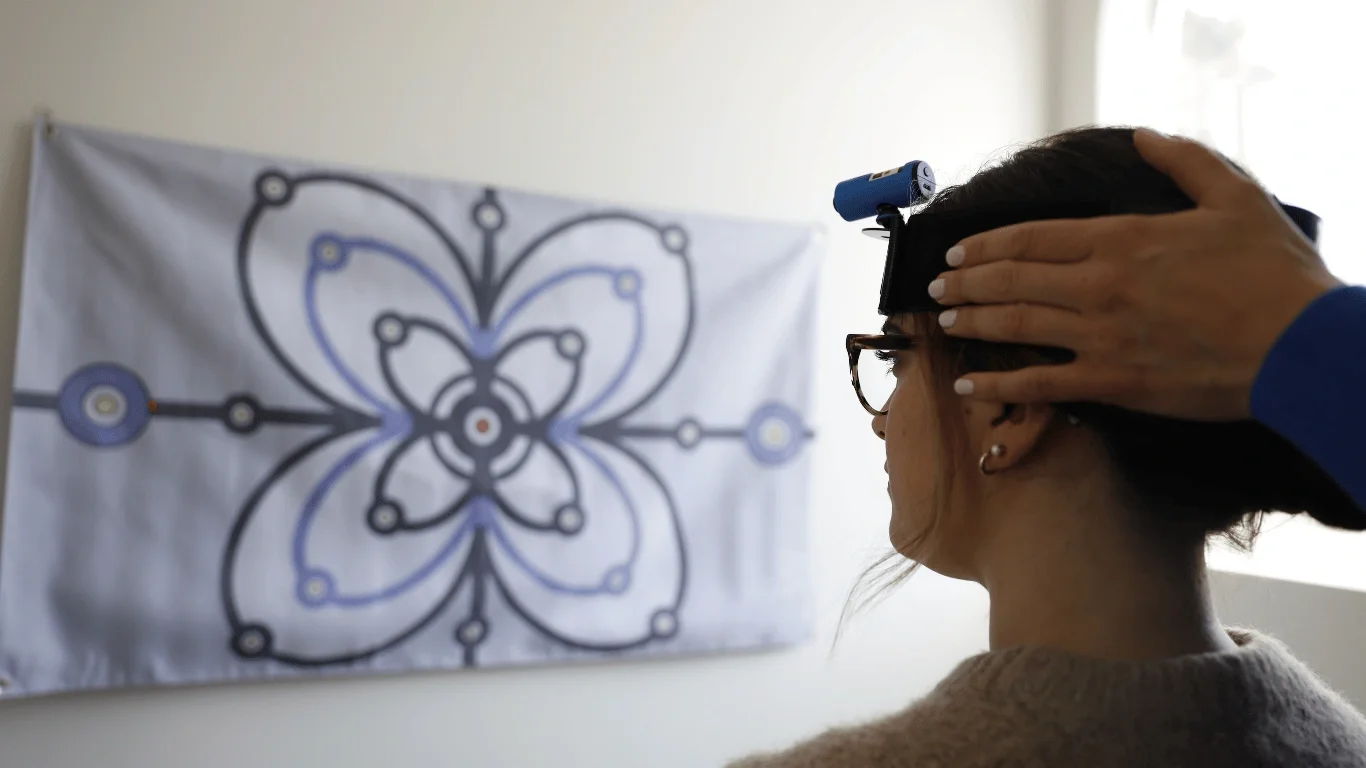
Treatment is individualized based on the underlying cause of vertigo. Our care may include:
Vestibular rehabilitation exercises
Eye-head coordination training
Balance and proprioceptive retraining
Neurological stimulation exercises
Gradual exposure to movement-based triggers
Cervical spine therapy (when neck involvement is present)
Our goal is to support the brain’s ability to adapt (neuroplasticity) and improve how the body processes balance and movement.
When Should You Seek Help for Vertigo?

You may benefit from an assessment if you experience:
Persistent or recurring vertigo
Sudden onset of dizziness without clear cause
Vertigo following a concussion or injury
Difficulty maintaining balance during daily activities
Symptoms that worsen with movement or position changes
Ongoing nausea or disorientation
Early evaluation can help identify the cause and guide appropriate care.

Related Conditions
Vertigo is often connected to other neurological or vestibular conditions. You may also want to explore:


Vertigo Frequently Asked Questions
-
Vertigo is commonly caused by dysfunction in the inner ear or how the brain processes balance information. Conditions like BPPV, vestibular migraine, or post-concussion changes are common contributors.
-
No. Vertigo is a specific type of dizziness characterized by a spinning or movement sensation, while dizziness is a broader term that can include lightheadedness or imbalance.
-
Some forms of vertigo, such as BPPV, may resolve on their own, but others can persist or recur. Identifying the cause helps guide effective management.
-
The duration varies depending on the cause. Episodes may last seconds, minutes, or longer in more complex conditions.
-
Functional neurology focuses on how the brain and nervous system function. Targeted exercises and therapies may help improve balance, coordination, and symptom control in certain cases.
-
Some chiropractors trained in functional neurology evaluate how the nervous system influences balance and spatial orientation. Treatment may involve vestibular rehabilitation and neurological stimulation.
-
You should seek professional evaluation if vertigo is persistent, worsening, or interfering with daily activities.

Get Assessed for Vertigo
If you are experiencing vertigo, identifying the underlying cause is the first step toward improving your symptoms.
At Anew Chiropractic Clinic, we take a comprehensive approach to understanding dizziness and balance disorders.
Book a 30-minute Virtual or Phone Case Review consultation, we’ll listen to your symptoms, answer your questions, and help you determine the most appropriate next steps for care.