


Movement Disorder Treatment in Calgary
Movement disorders affect how the body controls motion, coordination, and muscle activity. At Anew Chiropractic Clinic, we assess how the brain and nervous system are functioning to better understand movement patterns and guide individualized, non-invasive care.
You can improve your symptoms and conditions through functional neurology. Book a Case Review Phone Consultation today!

What Are Movement Disorders?
Movement disorders are neurological conditions that affect the speed, control, and coordination of movement. These conditions can cause either excessive movement, such as tremors or involuntary motions, or reduced movement, such as stiffness or slowed mobility.
Movement is controlled by a network of structures within the brain, including the cerebellum, basal ganglia, and motor cortex. These systems work together to produce smooth, coordinated motion. When communication within this network is disrupted, movement may become inefficient, unstable, or difficult to control.
Movement disorders can develop gradually or appear more suddenly depending on the underlying cause. They may affect daily activities such as walking, balance, fine motor skills, or coordination.
Common Symptoms of Movement Disorders

Symptoms vary depending on the type and severity of the condition, but may include:
Tremors or shaking (at rest or during movement)
Muscle stiffness or rigidity
Slowed movement (bradykinesia)
Poor coordination or clumsiness
Difficulty initiating movement
Involuntary movements or spasms
Changes in posture or gait
Balance issues or instability
Some individuals may also experience fatigue, changes in motor control under stress, or variability in symptoms throughout the day.
What Causes Movement Disorders?
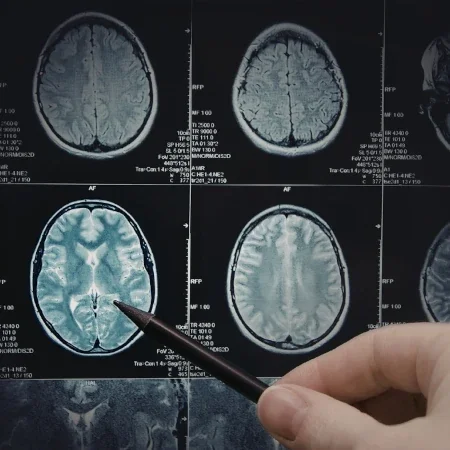
Movement disorders can arise from a variety of neurological and physiological factors. Common contributors include:
Changes in brain function affecting motor control
Neurodegenerative conditions
Disruptions in the basal ganglia or cerebellum
Post-injury or post-concussion changes
Functional neurological patterns (without structural damage)
Genetic or inherited conditions
In some cases, movement disorders may be related to how the brain processes and integrates information rather than structural damage alone. This distinction is important when considering different approaches to care.
How Movement Disorders Affect the Nervous System
Movement depends on precise communication between different regions of the brain and body. The brain must continuously process sensory input, plan movement, and send signals to muscles in a coordinated way.
In movement disorders, this communication can become disrupted. Signals may be delayed, amplified, or poorly coordinated, leading to inefficient or involuntary movement patterns. In some cases, the issue lies in how the brain processes feedback from the body, which can further affect coordination and control.
These changes can influence not only movement, but also balance, posture, and the ability to perform everyday tasks. Understanding how these systems interact is key to developing an appropriate approach to care.
Living with Movement Disorders
Movement disorders can vary widely in how they affect daily life. Some individuals experience gradual changes over time, while others notice fluctuations in symptoms depending on stress, fatigue, or activity level.
Management often involves understanding how your body responds to different conditions and working to improve consistency in movement patterns. Progress may be gradual, and care is typically focused on supporting function, coordination, and quality of life.

Types of Movement Disorders We Commonly See
Movement disorders encompass a range of conditions with different presentations. At Anew Chiropractic Clinic, we commonly assess and support individuals experiencing:
Parkinson’s Disease
A progressive neurological condition affecting movement, coordination, and muscle control.
Essential Tremor
A condition characterized by rhythmic shaking, often affecting the hands during movement.
Dystonia
Involuntary muscle contractions that can cause twisting movements or abnormal postures.
Dyskinesia
Involuntary, irregular movements that can affect different parts of the body.
Functional Movement Disorders (FND)
Movement symptoms that arise from altered nervous system function rather than structural damage.
How We Assess Movement Disorders
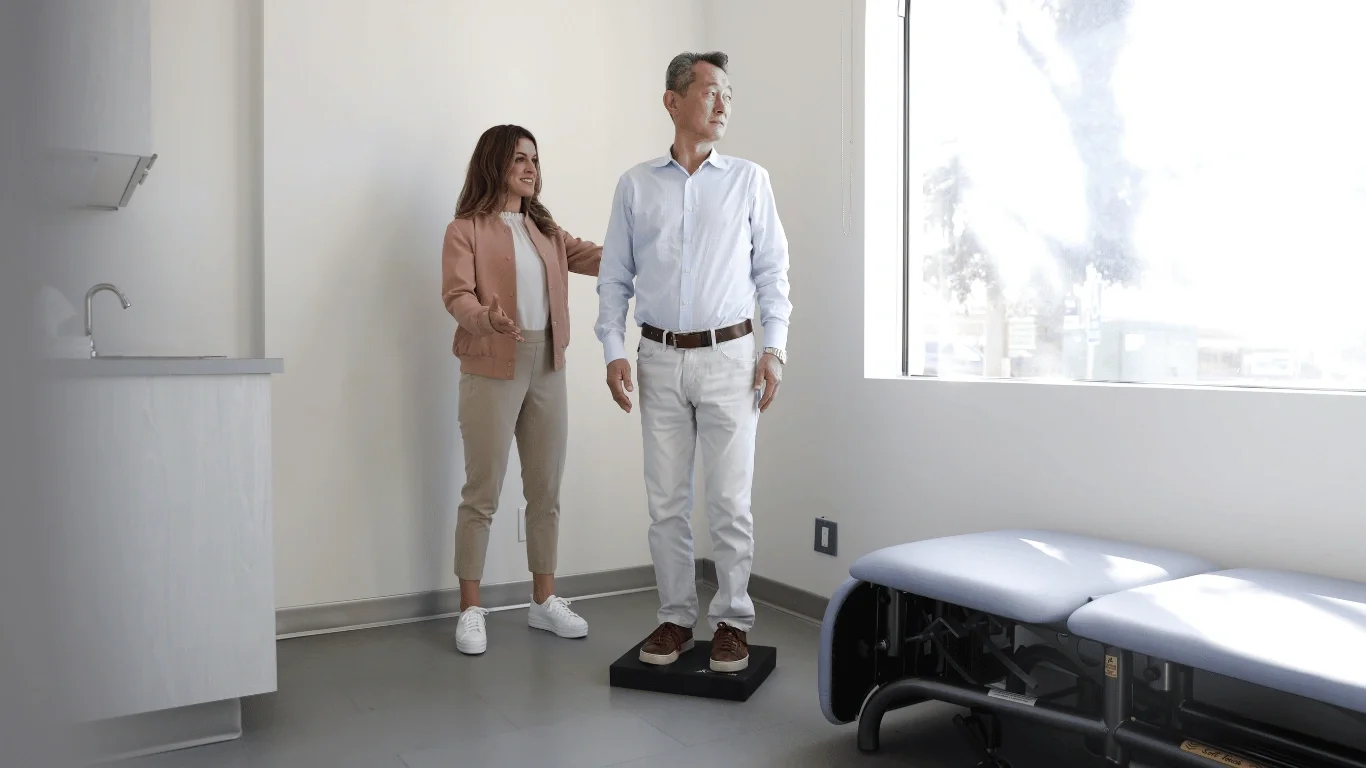
Our assessment focuses on understanding how the nervous system is controlling movement rather than looking at movement in isolation. This may include:
Detailed history of symptoms and progression
Observation of movement patterns and coordination
Balance and gait analysis
Neurological and motor control screening
Eye movement and visual tracking assessment
Evaluation of how the body responds to specific movement tasks
This approach helps identify patterns of dysfunction and areas where the nervous system may not be communicating effectively.
Movement Disorder Treatment Approach

Care is individualized and based on your specific presentation. Our approach may include:
Coordination and motor control exercises
Balance and stability training
Neurological stimulation exercises
Gradual movement retraining
Sensory integration work (visual, vestibular, proprioceptive)
Structured progression of functional tasks
The goal is to improve how the brain and body communicate, supporting more efficient and controlled movement over time.
When Should You Seek Help for Movement Changes?

You may benefit from an assessment if you notice:
Persistent tremors or shaking
Changes in coordination or balance
Difficulty initiating or controlling movement
Increased stiffness or rigidity
Involuntary movements or muscle contractions
Changes in walking pattern or posture
Early evaluation can help identify underlying patterns and guide appropriate support.
Related Conditions
Movement disorders are often connected to other neurological and balance-related conditions. You may also want to explore:


Vertigo and balance disorders
Dysautonomia and POTS


Frequently Asked Questions About Movement Disorders
-
Movement disorders are neurological conditions that affect the control, speed, and coordination of movement.
-
Not all movement disorders are progressive. Some may remain stable or improve depending on the underlying cause.
-
Yes. Many movement disorders impact coordination and balance due to how the brain processes movement.
-
Yes. Movement is controlled by multiple areas of the brain, and disruptions in these systems can affect movement.
-
Yes. Symptoms may vary depending on factors such as fatigue, stress, and activity level.

Get Assessed for Movement Concerns
If you are experiencing changes in movement, coordination, or balance, understanding how your nervous system is functioning is an important first step.
At Anew Chiropractic Clinic, we take a comprehensive approach to assessing and supporting neurological function.
Book a 30-minute Virtual or Phone Case Review consultation, we’ll listen to your symptoms, answer your questions, and help you determine the most appropriate next steps for care.