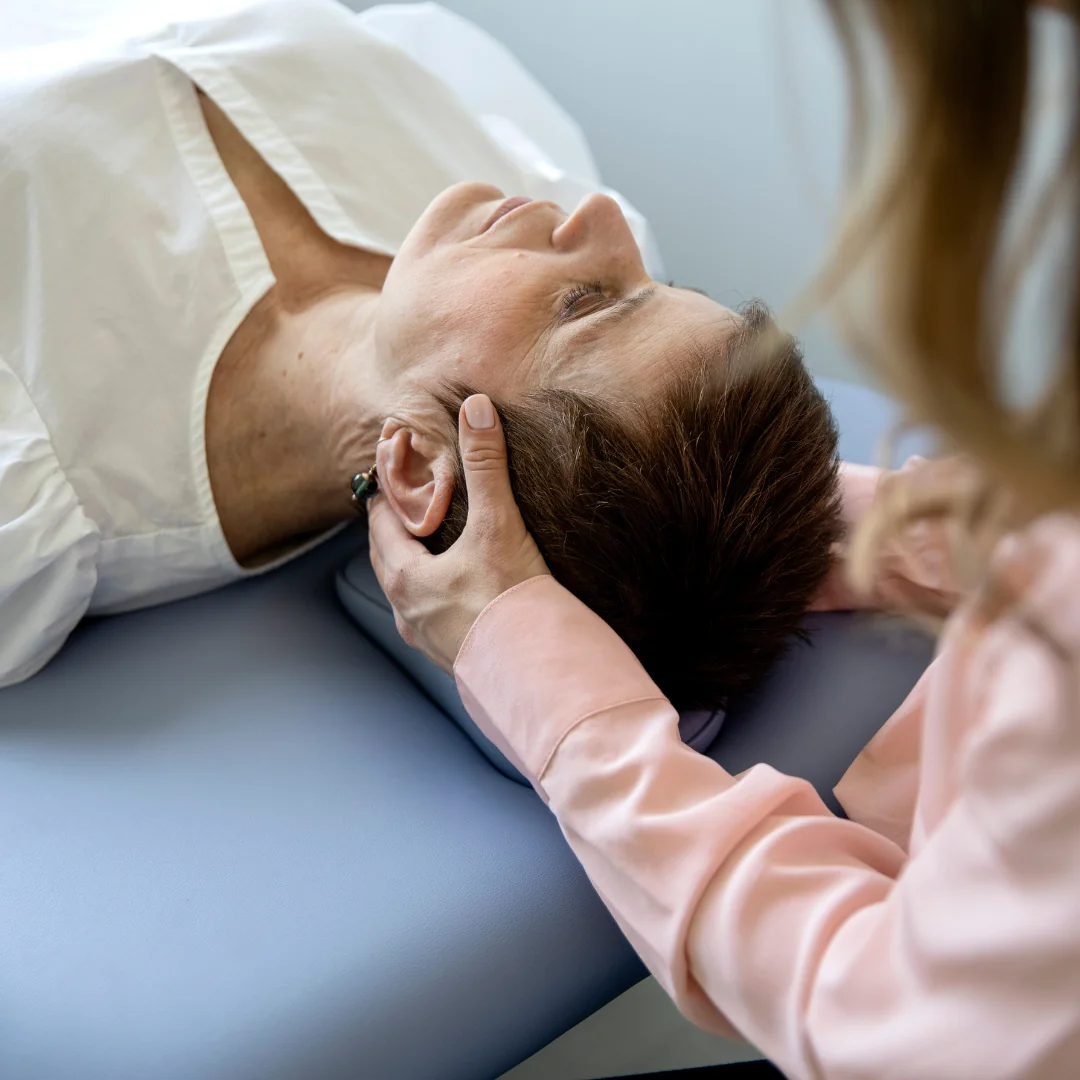
Movement disorders can feel frustrating, unpredictable, and difficult to explain. You may notice tremors, involuntary movements, muscle stiffness, slowed movement, changes in coordination, or difficulty controlling movements that once felt automatic. For some people, these changes develop gradually, while for others they may appear more suddenly or vary from day to day.
Book a Movement Disorder AssessmentHave questions before booking? A 30-min Case Review Phone Consultation lets you talk through your symptoms, our approach and the commitment involved before deciding whether to book an Initial Intake Assessment.
Book a Case Review Consultation

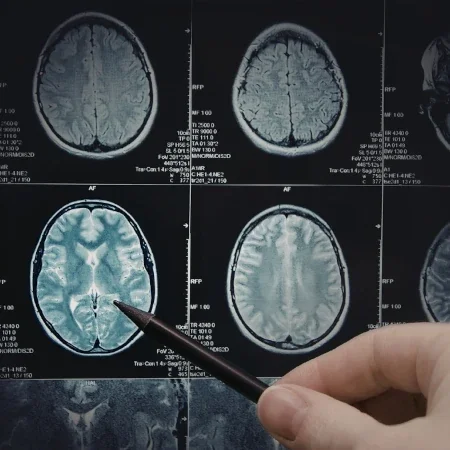
Movement disorders are neurological conditions that affect the speed, control, and coordination of movement. These conditions can cause either excessive movement, such as tremors or involuntary motions, or reduced movement, such as stiffness or slowed mobility. Movement is controlled by a network of structures within the brain, including the cerebellum, basal ganglia, and motor cortex. These systems work together to produce smooth, coordinated motion. When communication within this network is disrupted, movement may become inefficient, unstable, or difficult to control. Movement disorders can develop gradually or appear more suddenly depending on the underlying cause. They may affect daily activities such as walking, balance, fine motor skills, or coordination.
Symptoms vary depending on the type and severity of the condition, but may include tremors or shaking, either at rest or during movement, muscle stiffness or rigidity, slowed movement, poor coordination or clumsiness, difficulty initiating movement, involuntary movements or spasms, changes in posture or gait, and balance issues or instability. Some individuals may also experience fatigue, changes in motor control under stress, or variability in symptoms throughout the day.
Movement disorders can arise from a variety of neurological and physiological factors. Common contributors may include changes in brain function affecting motor control, neurodegenerative conditions, disruptions in the basal ganglia or cerebellum, post-injury or post-concussion changes, functional neurological patterns without structural damage, and genetic or inherited conditions. In some cases, movement disorders may be related to how the brain processes and integrates information rather than structural damage alone. This distinction is important when considering different approaches to care.

Our assessment focuses on understanding how the nervous system is controlling movement rather than looking at movement in isolation. This may include a detailed history of symptoms and progression, observation of movement patterns and coordination, balance and gait analysis, neurological and motor control screening, eye movement and visual tracking assessment, and evaluation of how the body responds to specific movement tasks. This approach helps identify patterns of dysfunction and areas where the nervous system may not be communicating effectively.
Explore our Re-New Approach
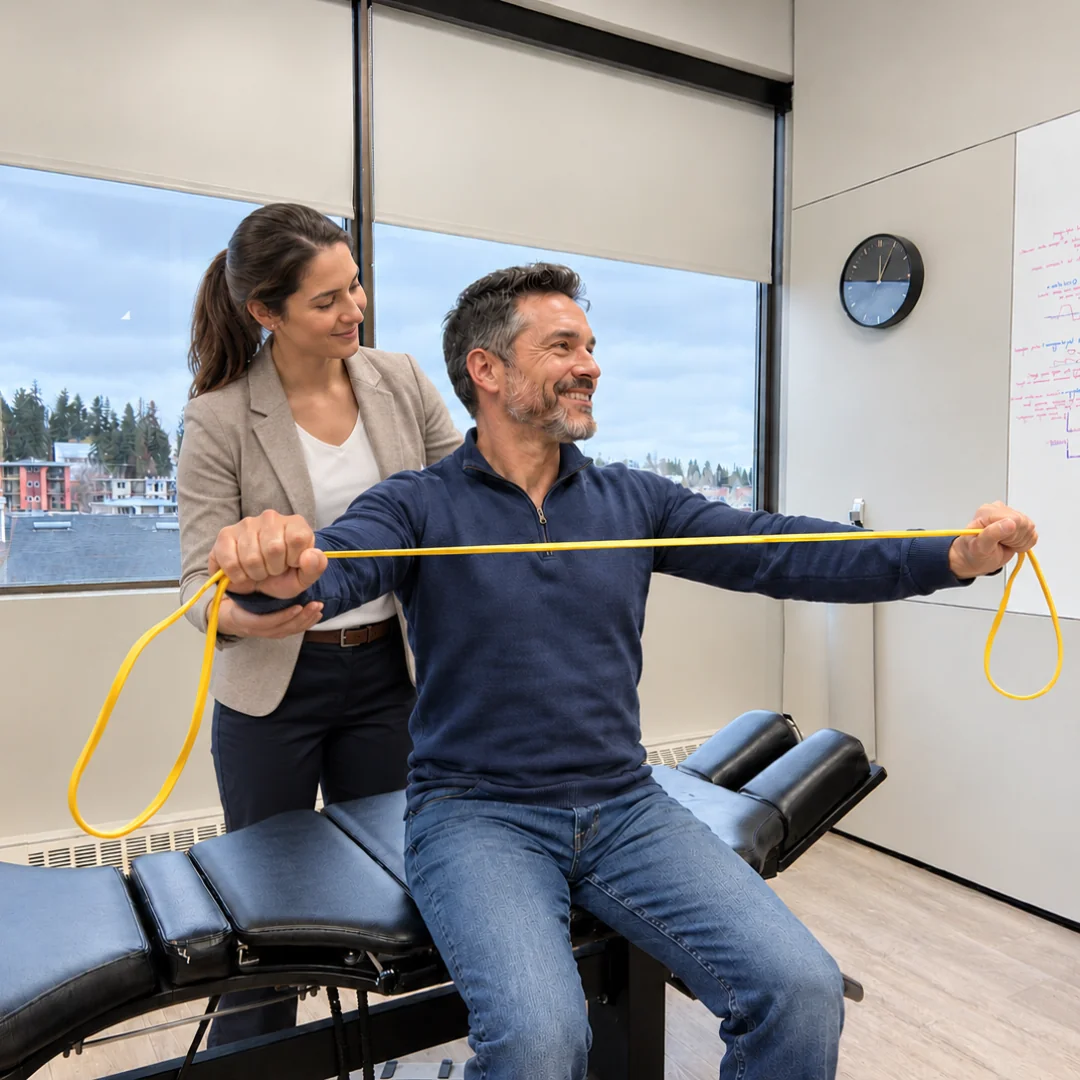
Re-New ApproachCare is individualized and based on your specific presentation. Depending on your findings, our approach may include coordination and motor control exercises, balance and stability training, neurological stimulation exercises, gradual movement retraining, sensory integration work involving the visual, vestibular, and proprioceptive systems, and structured progression of functional tasks. The goal is to improve how the brain and body communicate, supporting more efficient and controlled movement over time. Care of this kind depends on consistent appointments and on practicing your at-home exercise program between visits, and your plan is agreed with you before care begins.
Learn about our Intensive Program option
Intensive Program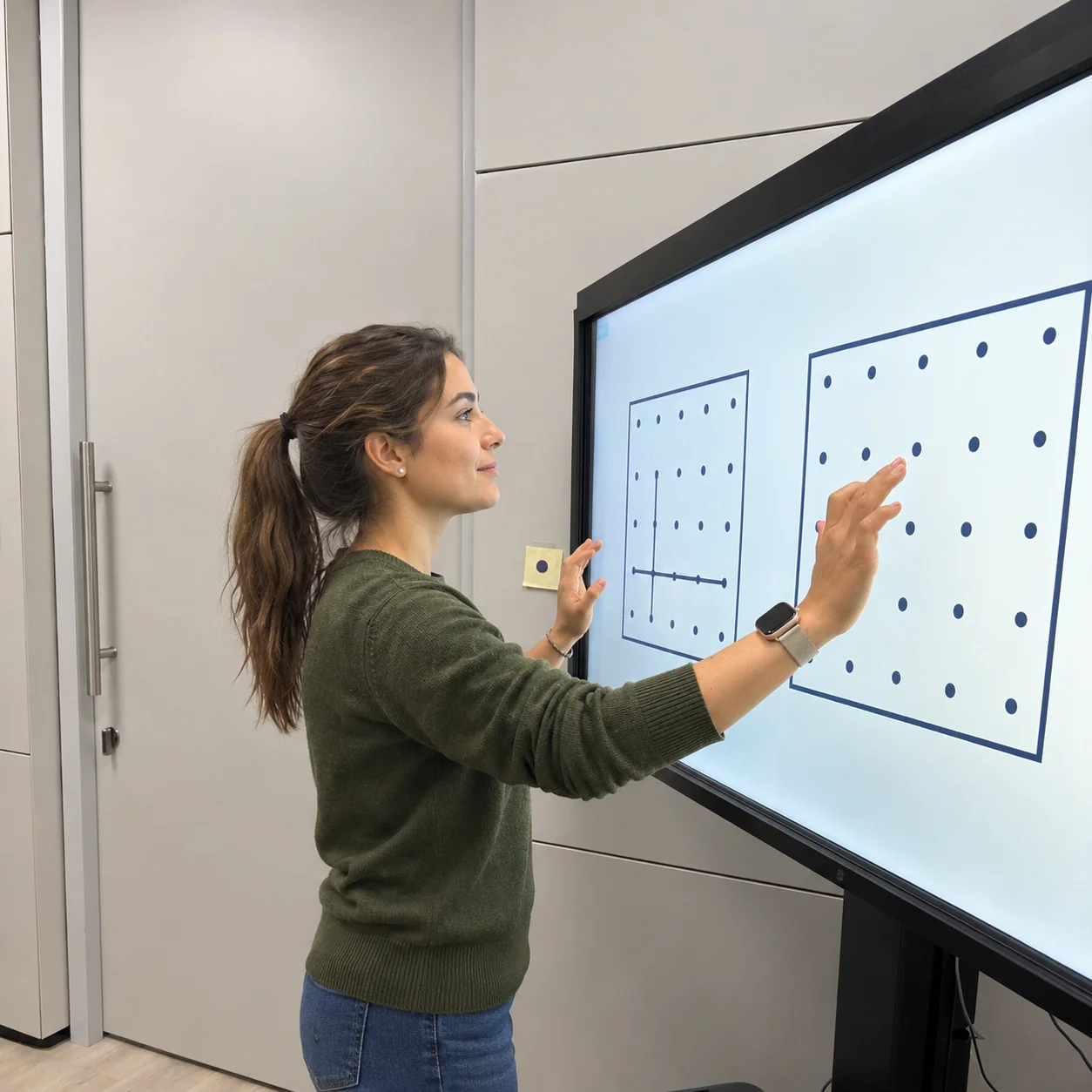

An Initial Intake Assessment may be appropriate if you notice persistent tremors or shaking, changes in coordination or balance, difficulty initiating or controlling movement, increased stiffness or rigidity, involuntary movements or muscle contractions, or changes in walking pattern or posture. Early evaluation can help identify underlying patterns and guide appropriate support.
Ready to start Anew?
Book Initial Intake AssessmentHave questions first?
Book a Case Review ConsultationMovement disorders are neurological conditions that affect the control, speed, and coordination of movement.
Not all movement disorders are progressive. Some may remain stable or improve depending on the underlying cause.
Yes. Many movement disorders impact coordination and balance due to how the brain processes movement.
Yes. Movement is controlled by multiple areas of the brain, and disruptions in these systems can affect movement.
Yes. Symptoms may vary depending on factors such as fatigue, stress, and activity level.

Our approach is structured, assessment-led and our care requires active participation, and patients should understand the process before committing. If you are ready to proceed, you can book an Initial Intake Assessment directly. If you still have questions, a 30-minute Case Review Phone Consultation is available first. During the call we briefly review your health history, current symptoms and previous testing, explain how our integrated approach and care process work, outline the time and financial commitment involved, and discuss how our care could complement the services you are already receiving. The Case Review Consultation is optional. It helps you decide whether to book an Initial Intake Assessment; it is not a substitute for an in-person assessment or a medical diagnosis.
Book a Case Review Consultation