
What Causes Dysautonomia? Understanding the Root Causes of Autonomic Nervous System Disorders

Dysautonomia is not a single disease. Instead, it is an umbrella term that describes a group of disorders affecting the autonomic nervous system (ANS), the part of the nervous system responsible for controlling essential body functions that happen automatically. These include heart rate, blood pressure, breathing, digestion, body temperature, sweating, bladder function, and even pupil dilation.
When the autonomic nervous system does not function properly, the body may struggle to regulate these automatic processes. As a result, people can experience symptoms such as dizziness, fainting, rapid heart rate, fatigue, digestive problems, exercise intolerance, brain fog, and temperature regulation issues. These symptoms can vary significantly from one person to another, making dysautonomia challenging to diagnose and treat.
One of the most common questions patients ask after receiving a diagnosis is, "What causes dysautonomia?" The answer is more complex than many expect. Dysautonomia can develop for many different reasons. Some people inherit genetic conditions that affect autonomic function, while others develop dysautonomia following an illness, autoimmune disease, injury, or neurological disorder. In some cases, the exact cause remains unknown despite extensive medical evaluation.
Understanding the potential causes of dysautonomia is an important first step toward identifying the underlying condition and developing an effective treatment plan. In this article, we will explore the known causes of dysautonomia, explain why these disorders occur, and discuss how healthcare professionals investigate the underlying reason behind autonomic dysfunction.
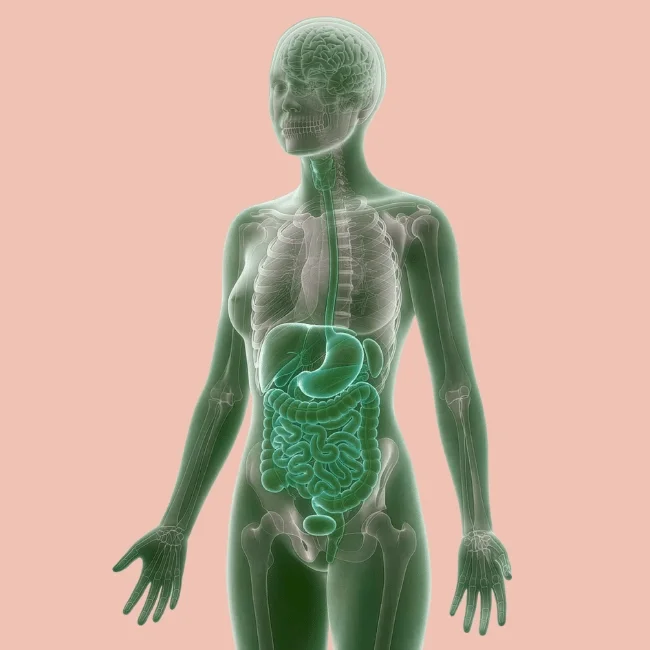
Understanding the Autonomic Nervous System
Before exploring the causes of dysautonomia, it helps to understand how the autonomic nervous system works.
The autonomic nervous system is part of the peripheral nervous system and operates continuously without conscious effort. It regulates functions necessary for survival by maintaining homeostasis - the body's ability to keep internal systems balanced despite changes in the environment. The autonomic nervous system has three major divisions:
The sympathetic nervous system, often referred to as the "fight-or-flight" system.
The parasympathetic nervous system, known as the "rest-and-digest" system.
The enteric nervous system, which controls much of the digestive tract.
When these systems communicate properly, the body automatically adjusts heart rate, blood pressure, breathing, digestion, sweating, and circulation according to the body's needs. Dysautonomia develops when these regulatory mechanisms become disrupted.
Take a look at ourour article to learn more about What Dysautonomia Is.
Dysautonomia Is a Symptom of Many Different Conditions
One of the biggest misconceptions about dysautonomia is that it is always its own disease. In reality, autonomic dysfunction is often secondary to another medical condition.
Healthcare providers generally classify dysautonomia into three broad categories:
Primary dysautonomia develops because the autonomic nervous system itself is affected by a neurological disease. Secondary dysautonomia occurs as a result of another medical condition damaging autonomic nerves. Idiopathic dysautonomia describes cases where no identifiable cause can be found despite comprehensive testing.
Determining which category applies is essential because treatment often focuses on addressing the underlying cause whenever possible.
Autoimmune Diseases
One of the leading causes of secondary dysautonomia is autoimmune disease. Autoimmune disorders occur when the immune system mistakenly attacks healthy tissues. In some individuals, this immune response targets nerves involved in autonomic regulation, leading to widespread dysfunction. Several autoimmune diseases have been associated with dysautonomia, including:
Sjögren's syndrome
Systemic lupus erythematosus (lupus)
Rheumatoid arthritis
Celiac disease
Autoimmune autonomic ganglionopathy (AAG)
Multiple sclerosis
Inflammation caused by these conditions may interfere with nerve signaling or directly damage autonomic nerve fibers. Depending on the condition, symptoms may develop gradually or appear suddenly. Some patients experience autonomic symptoms years before receiving an autoimmune diagnosis, making thorough medical evaluation especially important.
Viral and Bacterial Infections
Many patients report that their symptoms began shortly after an infection. Researchers now recognize that certain viral and bacterial infections can trigger autonomic dysfunction, even after the infection itself has resolved. Examples include:
COVID-19
Epstein-Barr virus (mononucleosis)
Influenza
Lyme disease
Mycoplasma infections
In some individuals, the infection appears to trigger an abnormal immune response that continues after recovery. This phenomenon is sometimes referred to as post-infectious dysautonomia. Following the COVID-19 pandemic, physicians observed a significant increase in patients developing Postural Orthostatic Tachycardia Syndrome (POTS) and other forms of dysautonomia after SARS-CoV-2 infection. Although research is ongoing, experts believe inflammation, immune dysregulation, endothelial dysfunction, and small fiber nerve injury may all contribute.
Genetic Disorders
Certain inherited conditions increase the likelihood of developing autonomic dysfunction. One example is familial dysautonomia, also known as Riley-Day syndrome. This rare genetic disorder primarily affects people of Ashkenazi Jewish ancestry and interferes with the development and survival of autonomic and sensory neurons. Other inherited connective tissue disorders may also contribute, particularly:
Hypermobile Ehlers-Danlos syndrome (hEDS)
Marfan syndrome
People with connective tissue disorders often have overly flexible blood vessels that allow excessive pooling of blood in the legs when standing. This can contribute to orthostatic intolerance and POTS. Researchers continue investigating the relationship between connective tissue disorders and autonomic dysfunction.
Diabetes
Diabetes is one of the most common causes of autonomic neuropathy worldwide. Chronically elevated blood sugar damages small nerves throughout the body, including those responsible for autonomic function. Diabetic autonomic neuropathy may affect:
Heart rate regulation
Blood pressure control
Digestion
Bladder function
Sweating
Sexual function
Symptoms often develop gradually over many years. Maintaining good blood glucose control can reduce the risk of nerve damage and slow disease progression.
Neurological Diseases
Many neurological disorders directly affect autonomic pathways. Examples include:
Parkinson's disease: People with Parkinson's frequently develop autonomic symptoms including constipation, low blood pressure upon standing, urinary dysfunction, and impaired sweating.
Multiple System Atrophy (MSA): MSA is a rare progressive neurodegenerative disorder characterized by severe autonomic failure alongside movement abnormalities.
Pure Autonomic Failure (PAF): Unlike Parkinson's disease or MSA, Pure Autonomic Failure primarily affects autonomic nerves without significant involvement of movement or cognition.
These disorders require evaluation by healthcare professionals experienced in autonomic neurology.
Small Fiber Neuropathy
Small fiber neuropathy has emerged as an increasingly recognized cause of dysautonomia. Small nerve fibers help regulate:
Heart rate
Sweating
Blood vessel constriction
Pain sensation
Temperature sensation
Damage to these tiny nerve fibers may produce both autonomic symptoms and chronic pain. Small fiber neuropathy may result from:
Diabetes
Autoimmune disease
Vitamin deficiencies
Genetic disorders
Infections
Unknown causes
Specialized diagnostic tests, including skin biopsy and autonomic function testing, may be used when small fiber neuropathy is suspected.
Physical Trauma and Brain Injury
Traumatic injuries may disrupt autonomic regulation. Potential causes include:
Traumatic brain injury
Spinal cord injury
Neck injuries
Surgical complications
Damage to brain regions responsible for autonomic control or disruption of autonomic nerve pathways can produce persistent symptoms. Some patients recovering from concussion report dizziness, exercise intolerance, abnormal heart rate responses, and orthostatic intolerance that resemble dysautonomia.
Medications
Certain medications may interfere with autonomic function. Examples include medications that affect:
Blood pressure
Heart rhythm
Antidepressant pathways
Parkinson's disease treatment
Chemotherapy agents
Medication-induced autonomic dysfunction may improve after adjusting or discontinuing the medication under physician supervision. Patients should never stop prescribed medications without consulting their healthcare provider.
Chronic Medical Conditions
Several chronic illnesses have been associated with dysautonomia, including:
Chronic kidney disease
Amyloidosis
Sarcoidosis
Vitamin B12 deficiency
Alcohol-related neuropathy
These conditions may damage autonomic nerves directly or indirectly through inflammation, metabolic dysfunction, or nutritional deficiencies.
Can Stress Cause Dysautonomia?

Stress itself is not considered a direct cause of dysautonomia.
However, chronic stress can worsen symptoms by increasing sympathetic nervous system activity.
Individuals with dysautonomia often notice symptom flare-ups during periods of:
Emotional stress
Sleep deprivation
Physical illness
Overexertion
Heat exposure
Although stress management is an important component of symptom management, it should not replace evaluation for underlying medical causes.
Why the Cause Sometimes Remains Unknown
Despite advances in autonomic medicine, some individuals never receive a definitive explanation for their dysautonomia. Researchers continue studying potential contributors including:
Previously unidentified autoimmune mechanisms
Genetic susceptibility
Viral triggers
Immune dysregulation
Connective tissue abnormalities
Environmental factors
The absence of an identifiable cause does not mean symptoms are psychological or imagined. Many patients with idiopathic dysautonomia demonstrate measurable abnormalities during autonomic testing despite normal routine laboratory results.
How Doctors Determine the Cause
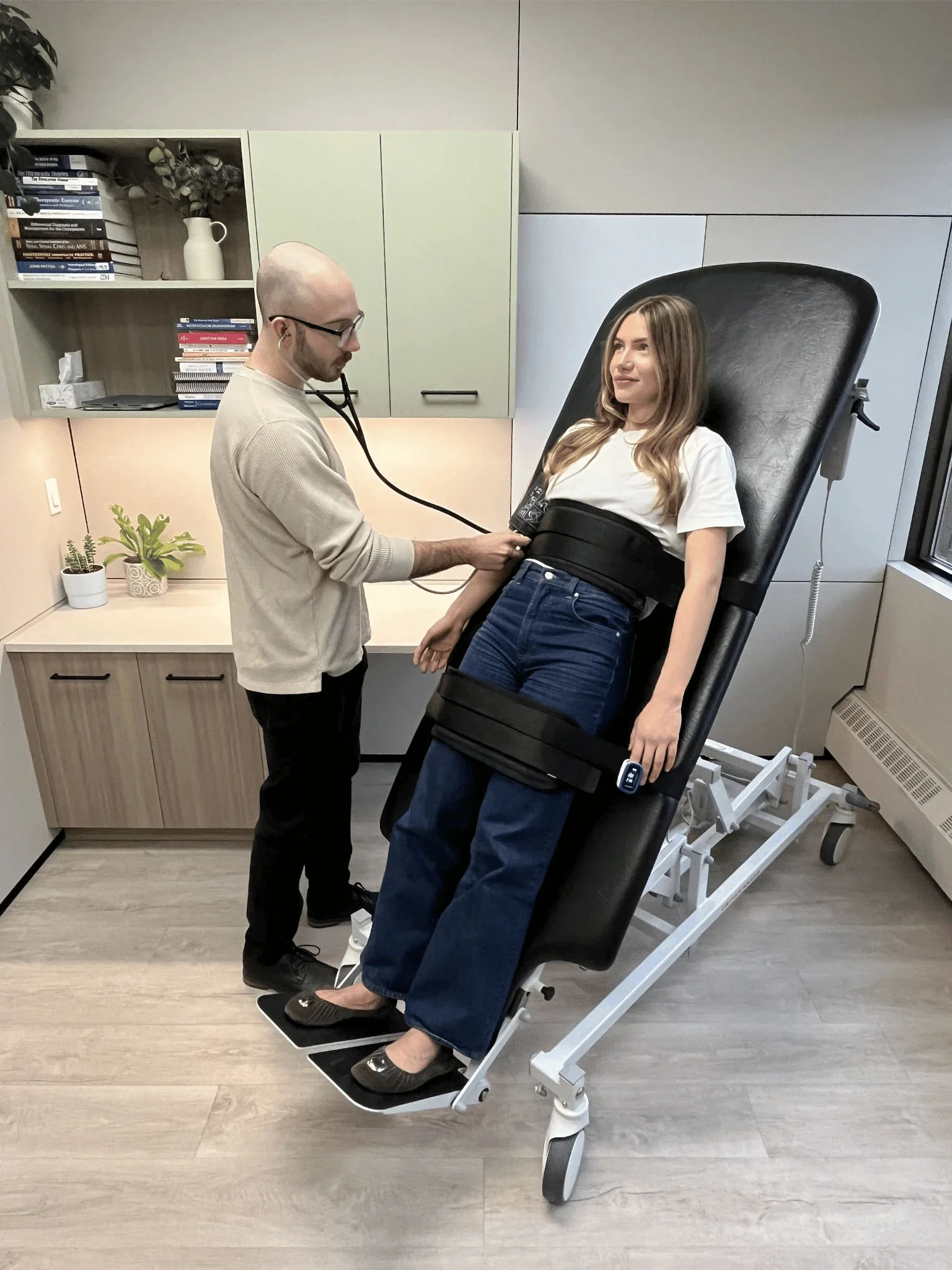
Identifying the cause of dysautonomia often requires a comprehensive evaluation rather than a single test. Depending on a patient's symptoms, healthcare providers may recommend:
Medical history and physical examination to identify symptom patterns and associated conditions.
Blood work to evaluate for autoimmune disease, diabetes, vitamin deficiencies, thyroid disorders, infections, and inflammatory markers.
Autonomic function testing, such as tilt table testing, heart rate variability assessment, sudomotor testing, and Valsalva maneuver, to evaluate how the autonomic nervous system responds under controlled conditions.
Neurological assessment if a neurodegenerative or peripheral nerve disorder is suspected.
Imaging studies, skin biopsy, or specialized nerve testing when small fiber neuropathy or structural neurological disease is considered.
A thorough diagnostic evaluation helps distinguish between primary and secondary dysautonomia and guides treatment decisions.
Conclusion
Dysautonomia can develop from many different underlying conditions, making it one of the most complex disorders affecting the nervous system. Autoimmune diseases, viral infections, diabetes, neurological disorders, genetic syndromes, small fiber neuropathy, trauma, and certain medications are all recognized contributors to autonomic dysfunction. In other cases, no single cause can be identified despite extensive evaluation.
Because dysautonomia is often secondary to another medical condition, identifying the underlying cause is one of the most important steps in developing an effective treatment plan. Early diagnosis can improve symptom management, reduce complications, and help patients better understand their condition.
If you are experiencing persistent dizziness, fainting, rapid heart rate, exercise intolerance, digestive issues, or unexplained fatigue, seeking evaluation from a healthcare professional experienced in autonomic disorders can help determine if autonomic dysfunction is contributing to your symptoms.
Frequently Asked Questions
-
Yes. Some forms of dysautonomia develop suddenly after a viral infection, surgery, concussion, or autoimmune event. Others develop gradually over months or years, particularly when associated with chronic diseases such as diabetes or neurodegenerative disorders.
-
Some forms of dysautonomia have a genetic basis, such as familial dysautonomia. Other inherited conditions, including hypermobile Ehlers-Danlos syndrome, may increase the likelihood of developing autonomic dysfunction, although the exact relationship is still being studied.
-
Research has shown that some individuals develop dysautonomia after COVID-19 infection, particularly Postural Orthostatic Tachycardia Syndrome (POTS). Scientists believe immune system changes, inflammation, and nerve injury may contribute, although research continues.
-
The answer depends on the underlying cause. Some cases improve when the triggering condition is treated, while others require long-term symptom management. Many patients experience significant improvement with individualized treatment strategies that combine lifestyle modifications, rehabilitation, and, when appropriate, medication.
-
Diagnosis often involves a combination of medical history, blood tests, autonomic function testing, tilt table testing, neurological evaluation, and additional investigations based on the patient's symptoms. No single test identifies every cause, so a comprehensive assessment is usually necessary.
Ready to Learn More?
Understanding what causes dysautonomia is only one part of the journey. If you are experiencing symptoms such as dizziness, fainting, rapid heart rate, unexplained fatigue, or difficulty tolerating standing, a comprehensive evaluation can help determine if autonomic dysfunction is contributing to your condition.
At Anew Chiropractic Clinic, our team performs advanced autonomic assessments, including Tilt Table Testing and other objective neurological evaluations, to help identify patterns of autonomic dysfunction and guide individualized care plans.
References
American Diabetes Association. (2025). Standards of care in diabetes - 2025. Diabetes Care, 48(Supplement 1). https://doi.org/10.2337/dc25-SINT
Freeman, R., Wieling, W., Axelrod, F. B., Benditt, D. G., Benarroch, E., Biaggioni, I., Cheshire, W. P., Chelimsky, T., Cortelli, P., Gibbons, C. H., Goldstein, D. S., Hainsworth, R., Hilz, M. J., Jacob, G., Kaufmann, H., Jordan, J., Lipsitz, L. A., Levine, B. D., Low, P. A., ... van Dijk, J. G. (2011). Consensus statement on the definition of orthostatic hypotension, neurally mediated syncope and the postural tachycardia syndrome. Clinical Autonomic Research, 21(2), 69-72. https://doi.org/10.1007/s10286-011-0119-5
Gibbons, C. H., Cheshire, W. P., Fife, T. D., et al. (2021). Autonomic testing: A scientific statement from the American Autonomic Society. Clinical Autonomic Research, 31(3), 369-384.
National Institute of Neurological Disorders and Stroke. (2025). Dysautonomia information page. https://www.ninds.nih.gov
National Institute of Neurological Disorders and Stroke. (2025). Familial dysautonomia. https://www.ninds.nih.gov
Raj, S. R., Guzman, J. C., Harvey, P., et al. (2022). Canadian Cardiovascular Society position statement on postural orthostatic tachycardia syndrome (POTS) and related disorders. Canadian Journal of Cardiology, 38(3), 357-372. https://doi.org/10.1016/j.cjca.2021.11.017
The Dysautonomia Project. (2023). Understanding dysautonomia. https://thedysautonomiaproject.org
Vernino, S., Bourne, K. M., & Stiles, L. E. (2021). Autoimmune autonomic ganglionopathy and other immune-mediated autonomic disorders. Neurologic Clinics, 39(3), 717-731. https://doi.org/10.1016/j.ncl.2021.04.008
