
What Is Dysautonomia? Understanding the Nervous System Disorder Behind Dizziness, Fainting, Fatigue, and More.

If you have ever experienced unexplained dizziness, lightheadedness when standing, fainting episodes, rapid heart rate, chronic fatigue, brain fog, digestive issues, or difficulty regulating your body temperature, you may have wondered if all of these symptoms are somehow connected.
For many people, they are.
Dysautonomia is an umbrella term that describes disorders affecting the autonomic nervous system - the part of your nervous system responsible for controlling automatic body functions that occur without conscious thought. Although dysautonomia affects millions of people worldwide, it remains one of the most misunderstood and underdiagnosed neurological conditions. Many individuals spend years searching for answers before receiving an accurate diagnosis.
Because the autonomic nervous system influences nearly every organ in the body, dysautonomia can produce a wide range of symptoms that often resemble other medical conditions. This complexity frequently leads to delayed diagnosis and frustration for patients.
In this article, we'll explain what dysautonomia is, how it affects the body, common symptoms, potential causes, available diagnostic tests, and treatment options that can help improve quality of life.
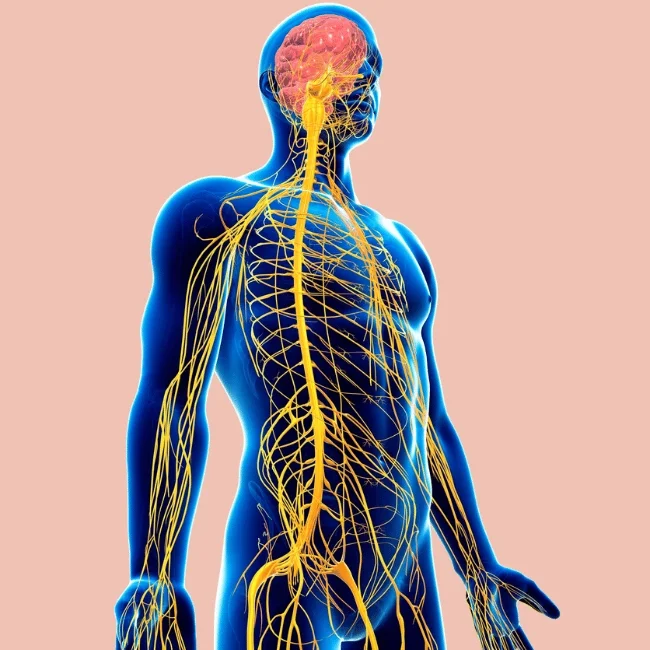
Understanding the Autonomic Nervous System
The autonomic nervous system consists of three primary divisions that work together to maintain balance within the body.
The sympathetic nervous system prepares the body for action. Often called the "fight-or-flight" system, it increases heart rate, raises blood pressure, dilates the pupils, and redirects blood flow toward muscles during times of stress or physical activity.
The parasympathetic nervous system performs the opposite role. Commonly known as the "rest-and-digest" system, it slows the heart rate, promotes digestion, conserves energy, and supports recovery.
The enteric nervous system regulates much of the digestive tract independently while communicating with both the sympathetic and parasympathetic systems.
When these systems become disrupted, the body's ability to maintain internal balance - known as homeostasis - is compromised. This imbalance explains why dysautonomia often affects many seemingly unrelated parts of the body at the same time.
Is Dysautonomia a Disease?
Technically, dysautonomia is not one specific disease. Instead, it is a broad term used to describe disorders involving autonomic nervous system dysfunction. Some forms are primary neurological disorders, while others develop secondary to another medical condition such as diabetes, autoimmune disease, Parkinson's disease, multiple sclerosis, or certain genetic disorders. Several well-recognized types of dysautonomia include:
Postural Orthostatic Tachycardia Syndrome (POTS), characterized by an excessive increase in heart rate upon standing without a significant drop in blood pressure.
Neurocardiogenic syncope (vasovagal syncope), the most common cause of fainting, resulting from abnormal autonomic regulation of heart rate and blood pressure.
Orthostatic hypotension, where blood pressure drops significantly after standing, causing dizziness or fainting.
Multiple System Atrophy (MSA), a rare progressive neurological disease involving severe autonomic dysfunction.
Pure Autonomic Failure (PAF), a neurodegenerative disorder primarily affecting autonomic nerves.
Each condition has distinct diagnostic criteria, although symptom overlap is common.
What Causes Dysautonomia?
There is no single cause of dysautonomia. Depending on the type, autonomic dysfunction may result from neurological injury, autoimmune disease, infections, chronic illness, or inherited disorders. Researchers have identified several factors associated with dysautonomia, including:
Autoimmune diseases such as Sjögren syndrome, lupus, rheumatoid arthritis, and autoimmune autonomic ganglionopathy can attack components of the autonomic nervous system.
Diabetes is among the most common causes of autonomic neuropathy because prolonged elevated blood sugar damages peripheral nerves.
Neurological diseases such as Parkinson's disease, multiple sclerosis, and multiple system atrophy frequently involve autonomic dysfunction.
Viral infections have also been linked to the onset of dysautonomia in some individuals. More recently, autonomic dysfunction has been observed following COVID-19 infection in certain patients, although research continues to investigate the underlying mechanisms.
Traumatic brain injuries, concussions, spinal cord injuries, connective tissue disorders such as Ehlers-Danlos syndrome, and certain medications may also contribute to autonomic dysfunction.
In some cases, no identifiable cause is found.

Common Symptoms of Dysautonomia
Because the autonomic nervous system regulates so many bodily functions, symptoms can be widespread and fluctuate from day to day. Many patients experience persistent dizziness or lightheadedness, especially after standing. Others report fainting episodes or feeling close to fainting. Rapid heart rate, heart palpitations, exercise intolerance, and chronic fatigue are also common. Some individuals develop significant cognitive difficulties often described as "brain fog," making concentration and memory more challenging. Digestive symptoms frequently include nausea, bloating, constipation, diarrhea, early fullness, or delayed stomach emptying. Other symptoms may include excessive or reduced sweating, heat intolerance, cold intolerance, abnormal body temperature regulation, blurred vision, headaches, sleep disturbances, anxiety related to physical symptoms, urinary dysfunction, and chronic pain. Not every patient experiences every symptom, and severity varies considerably between individuals.
How Is Dysautonomia Diagnosed?
Diagnosing dysautonomia typically requires a comprehensive evaluation because its symptoms overlap with many other medical conditions. A healthcare provider begins by reviewing the patient's medical history, symptom patterns, medications, and family history before performing a physical examination. Depending on the suspected condition, diagnostic testing may include orthostatic vital signs, electrocardiography (ECG), blood tests, autonomic reflex testing, heart rate variability analysis, sweat testing, and ambulatory heart monitoring.
One of the most valuable tools for evaluating autonomic dysfunction is the Tilt Table Test, which measures how heart rate and blood pressure respond to changes in body position. During the test, the patient is safely secured to a motorized table that transitions from lying flat to an upright position while cardiovascular responses are continuously monitored. The tilt table test can help identify disorders such as POTS, orthostatic hypotension, and vasovagal syncope.
Additional vestibular and neurological assessments may also be appropriate if dizziness or balance disorders are contributing to symptoms.
Can Dysautonomia Be Treated?
While many forms of dysautonomia cannot be permanently cured, symptoms can often be managed successfully with an individualized treatment plan. Treatment depends on the underlying cause, symptom severity, and specific diagnosis. Lifestyle modifications frequently play a central role. Patients may benefit from increasing fluid intake, consuming additional dietary salt when medically appropriate, wearing compression garments, avoiding prolonged standing, performing gradual exercise programs, and identifying symptom triggers such as heat exposure or dehydration.
Exercise rehabilitation often focuses on gradually improving cardiovascular conditioning while minimizing symptom flare-ups. Many patients begin with recumbent exercises before progressing to upright activities. Medication may also be prescribed to improve blood pressure regulation, heart rate control, or other autonomic symptoms. The choice of medication varies considerably depending on the specific form of dysautonomia and should always be determined by a qualified healthcare provider.
If dysautonomia develops secondary to another condition, treating the underlying disease may improve autonomic function.
Living With Dysautonomia
Living with dysautonomia can be physically and emotionally challenging. Symptoms often fluctuate unpredictably, making work, school, exercise, and daily activities more difficult. Many patients report that obtaining a diagnosis provides significant relief because it validates symptoms that may have previously been misunderstood.
Managing dysautonomia usually requires collaboration among healthcare professionals, including neurologists, cardiologists, physiotherapists, vestibular rehabilitation providers, primary care physicians, and other specialists depending on individual needs. Education also plays an important role. Understanding symptom triggers, recognizing warning signs, maintaining hydration, and following personalized treatment strategies can substantially improve quality of life.
Although recovery varies, many individuals experience meaningful improvement through a combination of medical management, rehabilitation, lifestyle modifications, and ongoing follow-up.
Conclusion
Dysautonomia is a complex neurological condition involving dysfunction of the autonomic nervous system, which regulates many of the body's essential automatic functions. Because it affects multiple organ systems, symptoms can include dizziness, fainting, rapid heart rate, fatigue, digestive problems, exercise intolerance, and cognitive difficulties.
Although dysautonomia can be difficult to diagnose, advances in autonomic testing, including tilt table testing and comprehensive neurological evaluations, have significantly improved the ability to identify these conditions. An accurate diagnosis is the first step toward developing an effective treatment plan.
If you are experiencing persistent dizziness, unexplained fainting, rapid heart rate when standing, or other symptoms that interfere with your daily life, seeking evaluation from a healthcare professional experienced in autonomic disorders may help identify the underlying cause and guide appropriate treatment.
Frequent Asked Questions
-
Dysautonomia is an umbrella term for disorders that affect the autonomic nervous system. These disorders interfere with automatic body functions such as heart rate, blood pressure, digestion, temperature regulation, and breathing.
-
No. POTS (Postural Orthostatic Tachycardia Syndrome) is one specific type of dysautonomia. There are many other forms, including orthostatic hypotension, neurocardiogenic syncope, multiple system atrophy, and pure autonomic failure.
-
Early symptoms commonly include dizziness when standing, rapid heart rate, fatigue, brain fog, fainting, exercise intolerance, digestive problems, and difficulty regulating body temperature.
-
Some forms of dysautonomia improve when the underlying cause is treated, while others are chronic conditions. Although there is not always a cure, many people achieve significant symptom improvement through lifestyle changes, rehabilitation, medications, and individualized medical care.
-
Diagnosis usually involves a detailed medical history, physical examination, orthostatic vital signs, cardiovascular testing, and autonomic evaluations such as tilt table testing. Additional neurological or vestibular assessments may also be recommended depending on symptoms.
Ready to Learn More?
If you or someone you know is experiencing persistent dizziness, unexplained fainting, rapid heart rate when standing, or other symptoms that may suggest autonomic dysfunction, obtaining a comprehensive evaluation is an important first step.
At Anew Chiropractic Clinic, we assess patients with dizziness and suspected autonomic disorders using evidence-informed clinical evaluations and advanced diagnostic technologies. Our team works to identify contributing factors and develop individualized treatment plans based on each patient's unique presentation.
References
American Autonomic Society. (2024). Autonomic disorders. https://www.americanautonomicsociety.org
Freeman, R., Wieling, W., Axelrod, F. B., Benditt, D. G., Benarroch, E., Biaggioni, I., Cheshire, W. P., Chelimsky, T., Cortelli, P., Gibbons, C. H., Goldstein, D. S., Hainsworth, R., Hilz, M. J., Jacob, G., Kaufmann, H., Jordan, J., Lipsitz, L. A., Levine, B. D., Low, P. A., ... van Dijk, J. G. (2011). Consensus statement on the definition of orthostatic hypotension, neurally mediated syncope and the postural tachycardia syndrome. Clinical Autonomic Research, 21(2), 69-72.
Gibbons, C. H., Cheshire, W. P., Fife, T. D., & Freeman, R. (2021). Autonomic testing: Consensus guidelines and clinical applications. Clinical Autonomic Research, 31(3), 369-384.
National Institute of Neurological Disorders and Stroke. (2025). Dysautonomia information page. https://www.ninds.nih.gov
Raj, S. R., Guzman, J. C., Harvey, P., Richer, L., Schondorf, R., Seifer, C., Thibodeau-Jarry, N., Sheldon, R. S., & Canadian Cardiovascular Society. (2020). Canadian Cardiovascular Society position statement on postural orthostatic tachycardia syndrome (POTS) and related disorders. Canadian Journal of Cardiology, 36(3), 357-372.
Vernino, S., Cheshire, W. P., & Low, P. A. (2021). Autoimmune autonomic ganglionopathy and other autonomic neuropathies. Continuum, 27(1), 173-194.
