
Headache & Migraine: A Functional Neurology Approach to Lasting Relief
Headaches and migraines are not just occasional discomfort. For many people, they disrupt work, sleep, focus, and quality of life. While medication can help manage symptoms, it often does not address why headaches keep returning.
At Anew Chiropractic Clinic, care is focused on understanding how the brain and nervous system are contributing to your symptoms. By identifying the underlying neurological patterns driving headaches, treatment can be directed toward long-term improvement rather than temporary relief.
Why Do Headaches and Migraines Keep Returning?
Headaches are not always caused by a single issue. In many cases, they are the result of how the brain processes information from different systems in the body.
The brain constantly integrates input from vision, balance, and body awareness. When these systems are not working together efficiently, the brain can become overstimulated. Over time, this increases sensitivity and lowers the threshold for triggering headaches or migraines.
This is why some people notice that light, movement, posture, or stress can all contribute to their symptoms.
The Three Systems That Influence Headaches
Understanding how headaches develop requires looking at how the nervous system processes sensory input.

The Visual System
The visual system plays a major role in migraine symptoms. Many individuals experience light sensitivity, visual aura, or discomfort with screens. When the brain becomes hypersensitive to visual input, even normal lighting can become a trigger.

The Vestibular System (Balance System)
The vestibular system, located in the inner ear, controls balance and spatial awareness. Dysfunction in this system is often linked to dizziness, vertigo, and neck tension. These issues can amplify headache patterns, especially in individuals with migraine-associated dizziness.
The Proprioceptive System
The proprioceptive system provides feedback about posture and body position. Poor posture, neck strain, and muscle imbalance increase stress on the upper spine and can contribute to tension-type or cervicogenic headaches.
When these systems are not well integrated, the brain works harder to process information, which can increase neurological stress and lead to recurring symptoms.
The Vestibulospinal Reflex: A Hidden Driver of Chronic Headaches
One commonly overlooked factor in chronic headaches is the vestibulospinal reflex. This reflex connects the balance system to spinal muscles and helps maintain posture during movement. When this reflex is not functioning properly, the body compensates by increasing tension in the neck and shoulders. Over time, this creates strain in the upper spine and contributes to recurring headache patterns.
Addressing this reflex directly can reduce the underlying tension that drives many chronic headaches.
The Role of the Autonomic Nervous System
Headaches and migraines are also influenced by the autonomic nervous system, which regulates stress responses. Many individuals with chronic headaches operate in a state of heightened stress, often referred to as sympathetic dominance. In this state, the body is more sensitive to pain, more reactive to stimuli such as light and sound, and slower to recover. Improving autonomic balance can help reduce migraine frequency, intensity, and associated symptoms such as fatigue or nausea. Functional neurology approaches often include strategies to support vagus nerve function and promote a more regulated nervous system.
How Functional Neurology Treats Headaches and Migraines
At Anew Chiropractic Clinic, treatment is based on detailed neurological assessment rather than a one-size-fits-all protocol.
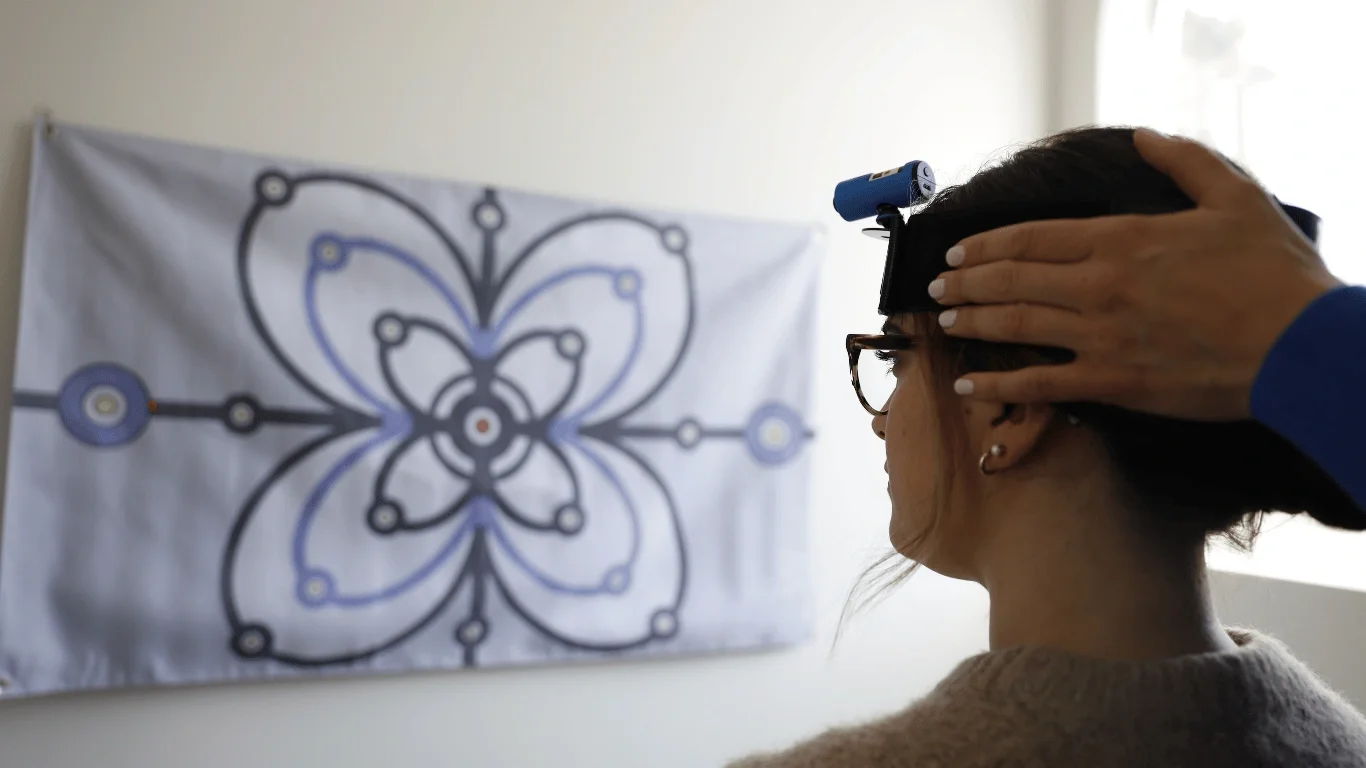
Care focuses on improving how the brain integrates sensory information. This may involve retraining visual processing, improving balance system function, and reducing postural strain on the spine. Techniques are non-invasive and designed to stimulate specific areas of the nervous system to promote adaptation and recovery.
Because each patient presents differently, care is personalized and adjusted over time based on response and progress.
What Makes This Approach Different?
Traditional care often treats headaches as a single condition. A functional neurology approach recognizes that headaches can have multiple neurological drivers. Instead of focusing only on pain, the assessment looks at brain function, balance integration, sensory processing, autonomic regulation, and postural control. This allows care to be directed at the systems contributing to the problem rather than just the symptom itself.
For patients who have tried multiple treatments without lasting results, this broader perspective often provides new insight into why symptoms persist.
A New Path to Headache or Migraine Relief
You don’t have to rely solely on medication to manage headaches and migraines. By retraining the brain, improving sensory integration, and restoring autonomic balance, functional neurology offers a comprehensive and root-cause approach to lasting relief.
Let’s restore balance — and help you move forward, headache-free.
What to Expect During an Assessment
An initial visit focuses on understanding how your nervous system is functioning. This may include evaluating eye movements, balance, coordination, posture, and symptom patterns. Based on these findings, a personalized care plan is developed. This may involve a structured rehabilitation approach over several weeks or months, depending on the severity and complexity of symptoms.
The goal is not only to reduce headaches, but to improve the resilience of the nervous system over time.
Who This Approach Is For
This type of care may be appropriate for individuals experiencing recurring headaches, migraines, dizziness, neck tension, visual sensitivity, or symptoms that have not responded to traditional treatment. It is particularly relevant for those looking for a non-invasive, root-cause-oriented approach rather than relying solely on medication.
Frequent Asked Questions
-
They are often linked to how the brain processes sensory input, including visual, vestibular, and proprioceptive systems, as well as stress regulation through the autonomic nervous system.
-
Yes. By addressing sensory integration, balance function, and autonomic regulation, this approach can help reduce the frequency and intensity of migraines.
-
Yes. Functional neurology uses non-invasive techniques such as movement-based exercises, sensory stimulation, and gentle chiropractic care.
-
This varies depending on the individual and the severity of symptoms. Some patients notice changes quickly, while others require a structured rehabilitation plan.
-
No referral is required to book an assessment at Anew Chiropractic Clinic.
Take the Next Step Toward Headache or Migraine Relief
If you are dealing with persistent headaches or migraines, identifying the neurological drivers behind your symptoms can change the direction of your care.
📍 Book a Case Review or Neurological Assessment at Anew Chiropractic Clinic and take the first step toward reducing headache frequency and improving daily function.
Long-term relief is possible when the nervous system is addressed directly.
References
Burstein, R., Noseda, R., & Borsook, D. (2015). Migraine: Multiple processes, complex pathophysiology. The Journal of Neuroscience, 35(17), 6619–6629. https://doi.org/10.1523/JNEUROSCI.0373-15.2015
Goadsby, P. J., Holland, P. R., Martins-Oliveira, M., Hoffmann, J., Schankin, C., & Akerman, S. (2017). Pathophysiology of migraine: A disorder of sensory processing. Physiological Reviews, 97(2), 553–622. https://doi.org/10.1152/physrev.00034.2015
Noseda, R., & Burstein, R. (2013). Migraine pathophysiology: Anatomy of the trigeminovascular pathway and associated neurological symptoms. Cephalalgia, 33(8), 545–560. https://doi.org/10.1177/0333102412474503
Noseda, R., Kainz, V., Jakubowski, M., et al. (2010). A neural mechanism for exacerbation of headache by light. Nature Neuroscience, 13(2), 239–245. https://doi.org/10.1038/nn.2475
Digre, K. B., & Brennan, K. C. (2012). Shedding light on photophobia. Journal of Neuro-Ophthalmology, 32(1), 68–81. https://doi.org/10.1097/WNO.0b013e3182474548
Lempert, T., & Neuhauser, H. (2009). Epidemiology of vertigo, migraine and vestibular migraine. Journal of Neurology, 256(3), 333–338. https://doi.org/10.1007/s00415-009-0149-2
Neuhauser, H. (2016). The epidemiology of dizziness and vertigo. Handbook of Clinical Neurology, 137, 67–82. https://doi.org/10.1016/B978-0-444-63437-5.00005-4
Bisdorff, A. (2011). Vestibular migraine: Clinical aspects and pathophysiology. The Lancet Neurology, 10(8), 706–715. https://doi.org/10.1016/S1474-4422(11)70107-0
Wilson, V. J., & Schor, R. H. (1999). The neural substrate of the vestibulospinal reflexes. Progress in Brain Research, 76, 221–231.
Cullen, K. E. (2012). The vestibular system: Multimodal integration and encoding of self-motion for motor control. Trends in Neurosciences, 35(3), 185–196. https://doi.org/10.1016/j.tins.2011.12.001
Benarroch, E. E. (2006). Autonomic nervous system and migraine. Neurology, 67(6), 1089–1093. https://doi.org/10.1212/01.wnl.0000238519.92741.11
Thayer, J. F., & Lane, R. D. (2000). A model of neurovisceral integration in emotion regulation and dysregulation. Journal of Affective Disorders, 61(3), 201–216.
Appel, S., Kurth, T., & Launer, L. J. (2005). Migraine and autonomic dysfunction: A population-based study. Neurology, 65(2), 250–255.
Hall, C. D., Herdman, S. J., Whitney, S. L., et al. (2016). Vestibular rehabilitation for peripheral vestibular hypofunction: Clinical practice guideline. Journal of Neurologic Physical Therapy, 40(2), 124–155.
Herdman, S. J., & Clendaniel, R. A. (2014). Vestibular rehabilitation (4th ed.). F.A. Davis Company.
