
Anew Perspective on Dizziness: Understanding Vertigo and Its Different Forms

Feeling dizzy can be unsettling. Whether it’s a brief spinning sensation when you turn your head or a constant sense of imbalance, dizziness can disrupt your work, driving, exercise routine, and confidence.
Many people use the terms dizziness and vertigo interchangeably — but they are not the same thing. Understanding what you’re experiencing is the first step toward finding the right treatment.
What Is Dizziness?
Dizziness is an umbrella term. It can describe:
Lightheadedness
Feeling faint
Unsteadiness
A sensation of movement
Blurry or “foggy” vision
Feeling disconnected from your body
Importantly, dizziness is a symptom — not a diagnosis. The underlying cause can range from something simple like dehydration to more complex neurological or vestibular conditions.
The Three Main Types of Dizziness
Understanding which type you’re experiencing helps guide proper treatment.
1️⃣ Vertigo (Spinning Sensation)
Vertigo feels like the room is spinning — or like you are spinning — even when you’re standing still.
It is most often related to the inner ear (vestibular system), which controls balance.
Common causes include:
Benign Paroxysmal Positional Vertigo (BPPV)
Ménière’s disease
Vestibular neuritis
Common symptoms:
Spinning sensation
Nausea or vomiting
Loss of balance
Difficulty walking
Symptoms triggered by head position changes
2️⃣ Presyncope (Near-Fainting)
Presyncope feels like you’re about to pass out.
It is usually related to blood pressure or circulation issues.
Common triggers:
Standing up too quickly (orthostatic hypotension)
Dehydration
Blood sugar changes
Heart rhythm issues
Symptoms:
Lightheadedness
Weakness
Sweating
Blurry vision
Heart palpitations
3️⃣ Disequilibrium (Unsteadiness Without Spinning)
Disequilibrium is a feeling of imbalance without the spinning sensation.
You may feel:
Unsteady when walking
Clumsy
Like you might veer to one side
More cautious when moving
This can be related to:
Inner ear dysfunction
Neck dysfunction
Sensory integration problems
Neurological conditions
Why Does Dizziness Happen?
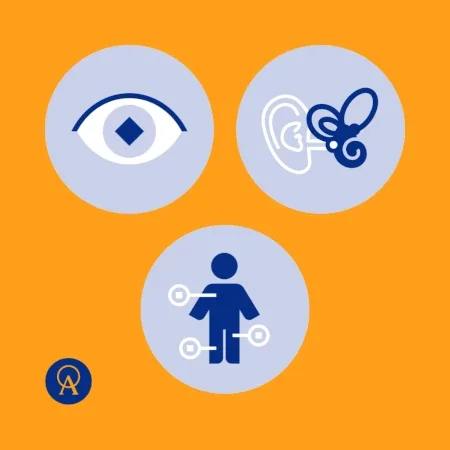
Dizziness often results from a miscommunication between three systems:
👁 Visual system (eyes)
👂 Vestibular system (inner ear)
🧠 Proprioceptive system (body and joint awareness)
When these systems send conflicting signals to the brain, you feel dizzy.
Common causes include:
Inner ear disorders
Low blood pressure
Dehydration or electrolyte imbalance
Migraines
Medication side effects
Neck dysfunction
Concussion history
When Should You Seek Medical Attention?
Seek immediate care if dizziness is accompanied by:
Sudden weakness or numbness
Slurred speech
Severe headache
Chest pain
Double vision
Loss of consciousness
These may indicate a medical emergency. For ongoing or recurring dizziness, a structured evaluation is essential.
How Dizziness Impacts Your Life
Even short episodes can be disruptive. Chronic dizziness can lead to:
Fear of movement
Avoiding exercise
Difficulty driving
Increased fall risk
Anxiety about symptoms returning
Reduced work performance
Over time, the unpredictability can affect confidence and mental health.
How We Evaluate Dizziness at Anew Chiropractic
At Anew, we go beyond symptom management. We assess how your brain and sensory systems are communicating.
Step 1: Comprehensive Assessment
Detailed health history
Symptom pattern analysis
Trigger identification
Physical and neurological examination
Step 2: Advanced Functional Testing
We use objective testing to understand how your systems are functioning:
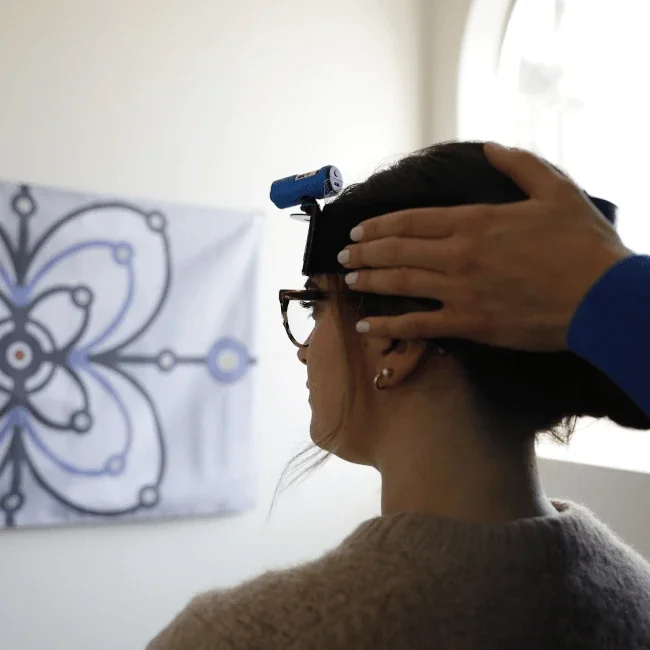
Videooculography (VOG) – Measures eye movements
Video Head Impulse Testing (vHIT) – Assesses vestibular function
Computerized Assessment of Postural Systems (CAPS) – Evaluates balance integration
NeckCare Testing – Assesses neck function and joint position awareness
Step 3: Targeted Treatment Plan
Your treatment is customized to improve brain integration between:
Visual system
Vestibular system
Proprioceptive system
Treatment may include:
Vestibular rehabilitation exercises
Eye movement retraining
Balance therapy
Neck proprioceptive work
Metabolic and lifestyle support
Structured home exercises
Step 4: Personalized Home Program
You receive exercises designed specifically for your pattern of dysfunction to accelerate recovery.
Step 5: Follow-Up and Progress Monitoring
We reassess regularly to ensure:
Symptoms are improving
Your brain is adapting properly
Exercises are adjusted as needed
The Goal: Restore Stability, Confidence, and Control
Dizziness is not something you have to “just live with.” In many cases, it is treatable when the root cause is properly identified.
If dizziness or vertigo is affecting your daily life, schedule an initial assessment at Anew Chiropractic. Our goal is to help you regain balance — physically and neurologically.
Your Next Step
If dizziness or vertigo is affecting your life,
📍 Contact Anew Chiropractic today to schedule your initial assessment.
With a personalized approach, we aim to address not just the symptoms, but the root causes of your condition.
References:
American Academy of Otolaryngology - Head and Neck Surgery (AAO-HNS). "Benign Paroxysmal Positional Vertigo (BPPV)." Retrieved from https://www.entnet.org
Mayo Clinic. "Orthostatic Hypotension." Retrieved from https://www.mayoclinic.org/diseases-conditions/orthostatic-hypotension/symptoms-causes/syc-20350601
National Institutes of Health (NIH). "Dehydration." Retrieved from https://www.ninds.nih.gov
American Migraine Foundation. "Migraine and Dizziness." Retrieved from https://americanmigrainefoundation.org
U.S. National Library of Medicine. "Side Effects of Common Medications." Retrieved from https://medlineplus.gov/druginfo
National Institute on Deafness and Other Communication Disorders (NIDCD). "Dizziness and Balance Disorders." Retrieved from https://www.nidcd.nih.gov
Vestibular Disorders Association (VeDA). "Diagnostic Tests for Balance Disorders." Retrieved from https://vestibular.org
American Physical Therapy Association (APTA). "Vestibular Rehabilitation Therapy." Retrieved from https://www.apta.org
National Institute on Deafness and Other Communication Disorders (NIDCD). "Surgical Treatments for Balance Disorders." Retrieved from https://www.nidcd.nih.gov
