
Bounce Back Anew: Comprehensive Concussion Care for Lasting Recovery in Calgary
A concussion can change everything in an instant.
What may seem like a “mild” head injury can quietly disrupt your focus, sleep, mood, balance, and ability to function at work or home. At Anew Chiropractic, we understand how frustrating and overwhelming concussion recovery can feel — especially when symptoms linger longer than expected.
If you’re struggling with persistent symptoms, you are not alone — and recovery is possible.
What Is a Concussion?
A concussion is a type of Traumatic Brain Injury (TBI) that temporarily disrupts normal brain function. It is classified as a mild traumatic brain injury (mTBI), but the impact on daily life can be anything but mild.
Concussions occur when:
A direct blow to the head happens
The body experiences sudden acceleration or deceleration (e.g., car accident)
Rotational forces cause the brain to shift within the skull
Even without losing consciousness, the brain’s communication pathways can be affected.How Common Are Concussions?
Concussions and other brain injuries are widespread concerns. Each year, millions of people experience mTBIs in North America. According to the CDC, there were 2.87 million TBI-related emergency visits, hospitalizations, and deaths, including over 837,000 cases involving children.
How Common Are Concussions?
Concussions are more common than many people realize.
According to the CDC:
Over 2.8 million TBI-related emergency visits, hospitalizations, and deaths occur annually in North America
More than 837,000 cases involve children
Sports injuries, car accidents, workplace injuries, and falls (especially in older adults) are among the most frequent causes.
Approximately 15% of individuals develop Post-Concussion Syndrome (PCS) — where symptoms persist for weeks, months, or longer.

Common Concussion Symptoms
Symptoms may appear immediately or develop hours to days later. They can include:
Persistent headaches or head pressure
Dizziness or vertigo
Balance problems
Blurred or double vision
Sensitivity to light and sound
Brain fog
Memory and concentration difficulties
Fatigue
Irritability, anxiety, or mood changes
If symptoms last beyond the expected recovery period, further evaluation is important.
When Recovery Doesn’t Feel Linear
For some individuals, concussion symptoms interfere with daily life:
Driving triggers headaches or anxiety
Reading becomes exhausting
Grocery shopping feels overwhelming
Work productivity declines
Long-term effects can include:
Depression and anxiety
Sleep disturbances
Chronic pain
Reduced job performance
Increased risk of substance misuse
This is often the result of unresolved dysfunction in the brain’s sensory and integration systems.
What Happens to the Brain During a Concussion?
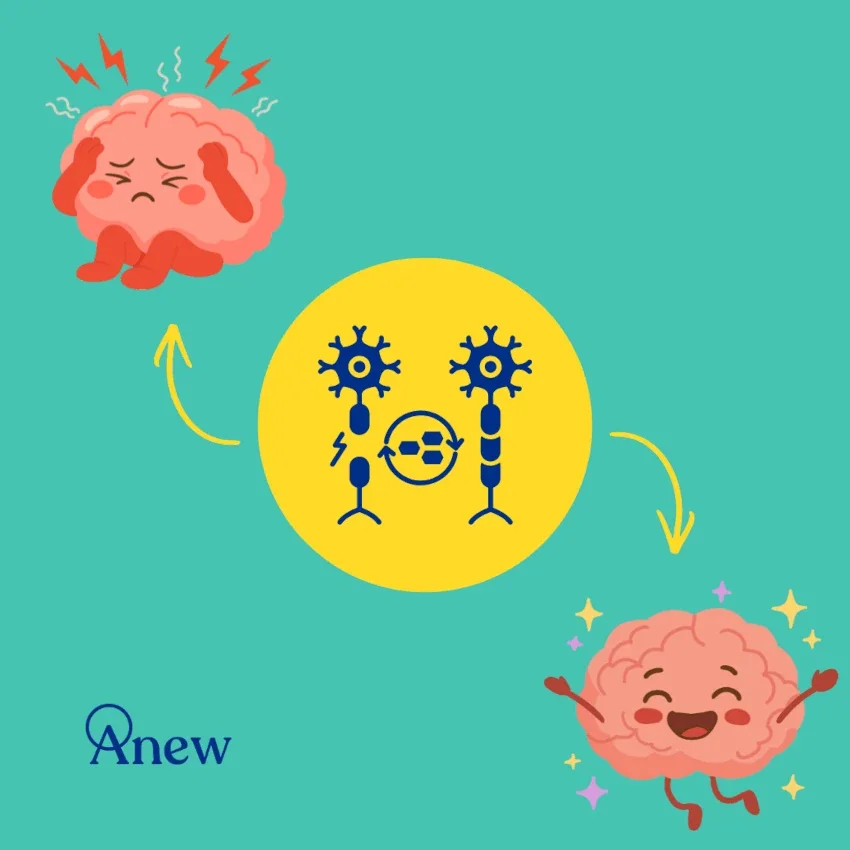
The brain relies on billions of neurons communicating through long projections called axons. During a concussion:
Axons can become stretched or damaged
Communication between brain regions is disrupted
Inflammatory processes are activated
Energy production inside brain cells is impaired
This can create a state where the brain is working harder but less efficiently, leading to persistent symptoms.
The good news?
The brain has the ability to reorganize and heal when given the right stimulation and support.
Anew Chiropractic’s Comprehensive Concussion Recovery Program
We go beyond rest-only recommendations.
Our approach focuses on identifying and addressing the root dysfunctions contributing to persistent symptoms.
1️⃣ Initial Assessment
We begin with a detailed evaluation to understand:
Mechanism of injury
Symptom patterns
Neurological and vestibular function
Neck involvement (cervicogenic contributions)
A comprehensive history allows us to identify underlying drivers of prolonged symptoms.
2️⃣ Advanced Objective Testing
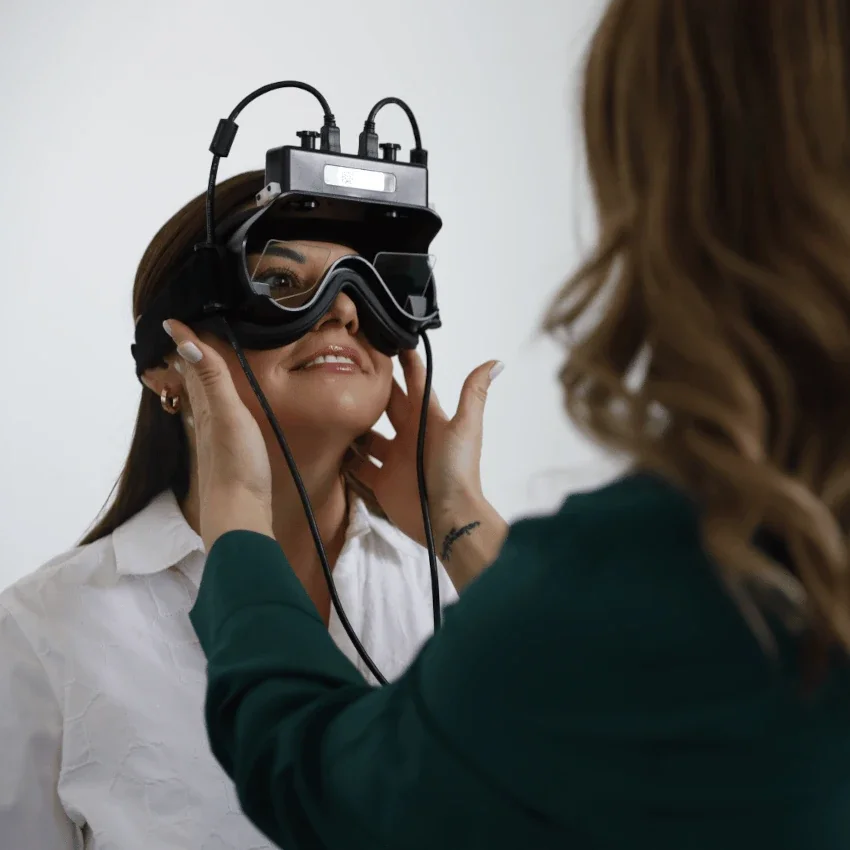
We use specialized diagnostic tools to assess brain and sensory function:
Videooculography (VOG) – evaluates eye movement control
Video Head Impulse Testing (vHIT) – measures vestibular function
Computerized Assessment of Postural Systems (CAPS) – assesses balance integration
NeckCare technology – evaluates cervical spine function and joint position sense
These tools help us move beyond guesswork and create targeted treatment strategies.
3️⃣ Personalized Treatment Plan
Treatment is designed to:
Improve brain function
Restore vestibular and visual integration
Address cervical spine dysfunction
Reduce inflammation
Support metabolic recovery
Therapies may include:
Targeted vestibular rehabilitation
Visual retraining
Neurological stimulation exercises
Cervical spine therapy
Metabolic and lifestyle support strategies
4️⃣ Structured Home Exercises
Recovery doesn’t stop in the clinic.
We provide personalized home programs so your brain continues to receive the right stimulation between visits.
5️⃣ Ongoing Follow-Up and Monitoring
Concussion recovery is dynamic.
We monitor progress closely and adjust your program as needed to ensure continued improvement.
Why Choose Anew for Concussion Care in Calgary?
✔ Advanced objective testing
✔ Individualized treatment plans
✔ Evidence-informed care
✔ Whole-person approach
✔ Focus on lasting recovery — not symptom suppression
Our goal is not just to help you “cope.”
It’s to help you function confidently again.
Your Next Step
If you or someone you love is dealing with persistent concussion symptoms, early and appropriate care makes a difference.
📍 Contact Anew Chiropractic today to schedule your initial assessment.
Recovery is possible and it’s never too late to start.
References:
Centers for Disease Control and Prevention (CDC) - Traumatic Brain Injury Basics
National Center for Biotechnology Information (NCBI) - Concussion and Substance Abuse
National Center for Biotechnology Information (NCBI) - Sleep Disorders and Concussions
National Center for Biotechnology Information (NCBI) - Chronic Pain and Brain Injuries
National Center for Biotechnology Information (NCBI) - Job Performance and TBIs
National Center for Biotechnology Information (NCBI) - Suicide Risk and Brain Injuries
